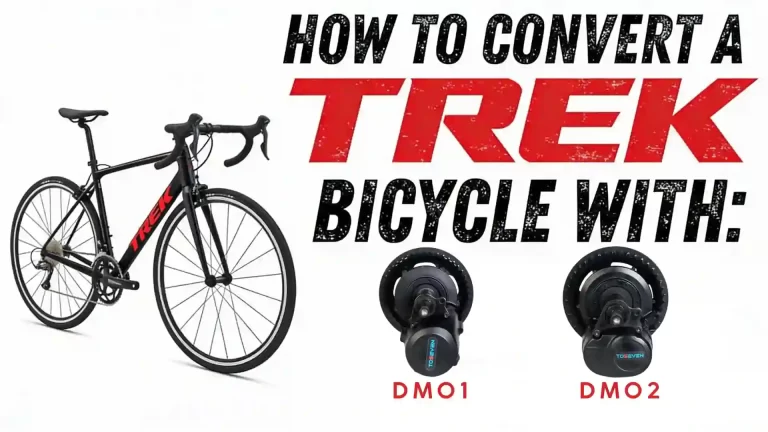
Trek bicycles represent an excellent donor pool for Toseven DM01 and DM02 mid-drive conversions. The frames offer proven geometries, robust Alpha Aluminum and OCLV (Optimum Compaction Low Void) Carbon constructions, and predominantly spacious front triangles that readily accommodate large battery packs. However, Trek’s engineering history is characterized by a mix of open-standard threaded bottom brackets and complex, proprietary press-fit systems. Successful and safe electrification requires a precise understanding of these mechanical interfaces.
The bottom bracket (BB) shell is the transverse cylindrical housing at the lowest point of the bicycle frame, connecting the downtube, seat tube, and chainstays. In a standard bicycle, this shell houses the bearings that allow the crankset to rotate. In a mid-drive conversion, the Toseven motor axle must pass completely through this shell. The Toseven hardware is natively designed for a shell width of 68 millimeters to 73 millimeters and requires an internal shell diameter large enough to clear a 33.5 millimeter motor axle.
01 Compatibility Overview (All Major Trek Platforms)
- BSA (British Standard Cycle) A traditional, threaded bottom bracket shell. It features a 1.37-inch diameter with 24 threads per inch, yielding an inner diameter of 33.6 millimeters to 33.9 millimeters. This is the optimal standard for Toseven motors.
- Press-Fit (PF) A threadless shell design where bearings or bearing cups are pressed directly into a smooth frame bore using mechanical force.
- Boost Spacing A modern hub standard that widens the rear wheel axle spacing to 148 millimeters (up from the older 135 millimeter or 142 millimeter standards). This pushes the rear cassette outward, requiring specific chainring offsets at the motor to prevent severe chainline misalignment.
Mandatory Toseven Hardware Directives
Before assessing individual Trek frame platforms, you must strictly adhere to three universal engineering constraints regarding the Toseven hardware:- First, Carbon Frame Torque Limits Trek OCLV Carbon frames are highly susceptible to crushing failures under torsional motor loads. The Toseven DM01 motor produces 160Nm of torque and is strictly prohibited from being installed on any carbon Trek frame. Carbon conversions are limited entirely to the DM02 motor. When installing the DM02 on an OCLV Carbon frame, you must use protective interface pads between the motor housing and the frame to distribute the load, and the primary bottom bracket lockring torque must be strictly limited to 35 to 40Nm.
- Second, The DM02 Shift Sensor Exclusion The Toseven DM02 kit does not include a shift sensor. Riders utilizing the DM02 must shift gears manually. You must intentionally pause pedal input during derailleur actuation to unload the motor torque from the chain. Failure to do so will result in accelerated drivetrain wear or immediate chain failure under load.
- Third, Motor Sizing Must Match Your Frame’s BB Shell Width The Toseven DM01 and DM02 are available in 68mm and 73mm (as well as 100/110mm variants outside the scope of standard Treks). You must order the motor variant that precisely matches your frame’s BB shell width. Ordering the wrong size will produce an uncorrectable chainline error and prevent proper frame clamping. Measure your BB shell width face-to-face with a caliper before ordering.
Compatibility is determined strictly by the frame’s bottom bracket standard and metallurgical composition.
| Model Name | Frame Material | Bottom Bracket Type | Compatibility Status | Notes |
|---|---|---|---|---|
|
Works Perfectly
Fully drop-in compatible. No special adapter hardware required.
|
||||
| Trek Marlin (All Gen) | Alpha Aluminum | BSA Threaded (73mm) | 🟢 Works Perfectly | Use 73mm motor and 9mm offset chainring for optimal 52.5mm chainline. |
| Trek Roscoe (All Gen) | Alpha Aluminum | BSA Threaded (73mm) | 🟢 Works Perfectly | Boost 148 spacing requires 9mm offset chainring for correct alignment. |
| Trek X-Caliber | Alpha Aluminum | BSA Threaded (73mm) | 🟢 Works Perfectly | Use 9mm offset chainring regardless of Non-Boost or Boost 141 QR. |
| Fuel EX (Gen 6+) / Slash | Alpha Aluminum | BSA Threaded (73mm) | 🟢 Works Perfectly | Verify motor body clearance against curved downtube at full compression. |
| FX / Dual Sport / Verve | Alpha Aluminum | BSA Threaded (68mm) | 🟢 Works Perfectly | Use 68mm motor variant. Achieves perfect 50mm chainline with 9mm offset ring. |
| Trek 820 | Steel | BSA Threaded (68/73mm) | 🟢 Works Perfectly | Measure shell width before ordering. Installation difficulty is extremely low. |
|
Works Well
Compatible, but requires specific Toseven adapter hardware.
|
||||
| Fuel EX (Gen 1-5 Alu) / Remedy AL | Alpha Aluminum | Press-Fit PF89.5/PF92 | 🟡 Works Well | Requires CNC reducer bushings. Suspension compression check for chain length mandatory. |
|
DM02 Only — Carbon Caution
DM01 is strictly prohibited. DM02 requires professional installation.
|
||||
| Procaliber / Supercaliber | OCLV Carbon | Press-Fit PF92 | 🟠 DM02 Only | Supercaliber IsoStrut suspension requires extreme caution. Reducer bushings mandatory. |
| Fuel EX (Carbon) / Top Fuel | OCLV Carbon | Press-Fit PF92 / BSA | 🟠 DM02 Only | Strictly prohibited for DM01. Locknut torque limited to 35-40Nm. |
| Modern Domane/Émonda/Checkpoint | OCLV Carbon / Alu | T47 Threaded | 🟠 DM02 Only | Requires T47-to-BSA reducer cups. Shift sensor exclusion requires manual shifting discipline. |
|
Not Compatible
Cannot be safely converted with standard hardware.
|
||||
| Remedy (Pre-2018 Carbon) | OCLV Carbon | Press-Fit BB95 (37mm) | 🔴 Not Compatible | Insufficient internal diameter (37mm) for standard adapters. Custom fabrication required. |
| Older Domane/Émonda | OCLV Carbon / Alu | Press-Fit BB90 (37mm) | 🔴 Not Compatible | Structurally insufficient diameter for safe motor mounting. |
| Trek Farley | Alu / Carbon | Press-Fit PF121 | 🔴 Not Compatible | Shell width (121mm) exceeds Toseven axle length design range. |
| Trek Rail / Powerfly | Alu / Carbon | Proprietary Bosch | 🔴 Not Compatible | Factory e-bikes lack a standard bottom bracket shell. |
1.1 Trek Hardtail MTB Platforms: Marlin, X-Caliber, Roscoe, 820
Trek’s hardtail platforms are the most mechanically straightforward candidates for mid-drive electrification due to their rigid rear triangles and lack of suspension linkage interference.1Marlin (Generations 1-4)
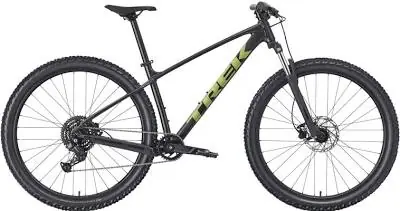
- Frame Material: Alpha Silver / Alpha Platinum Aluminum
- Bottom Bracket: BSA Threaded (73mm)
- Rear Spacing: 135mm Quick-Release (Non-Boost)
- Motor Required: 73mm Variant
- Chainring Offset: 9mm (Achieves a 52.5mm chainline)
No bottom bracket adapters are required. Installation difficulty is low. Both the DM01 and DM02 are highly recommended.
For the Marlin 8 trim level (Gen 4), verify whether it uses 135mm QR or 142mm thru-axle on your specific model year before selecting chainring offset.
2Roscoe (All Generations)
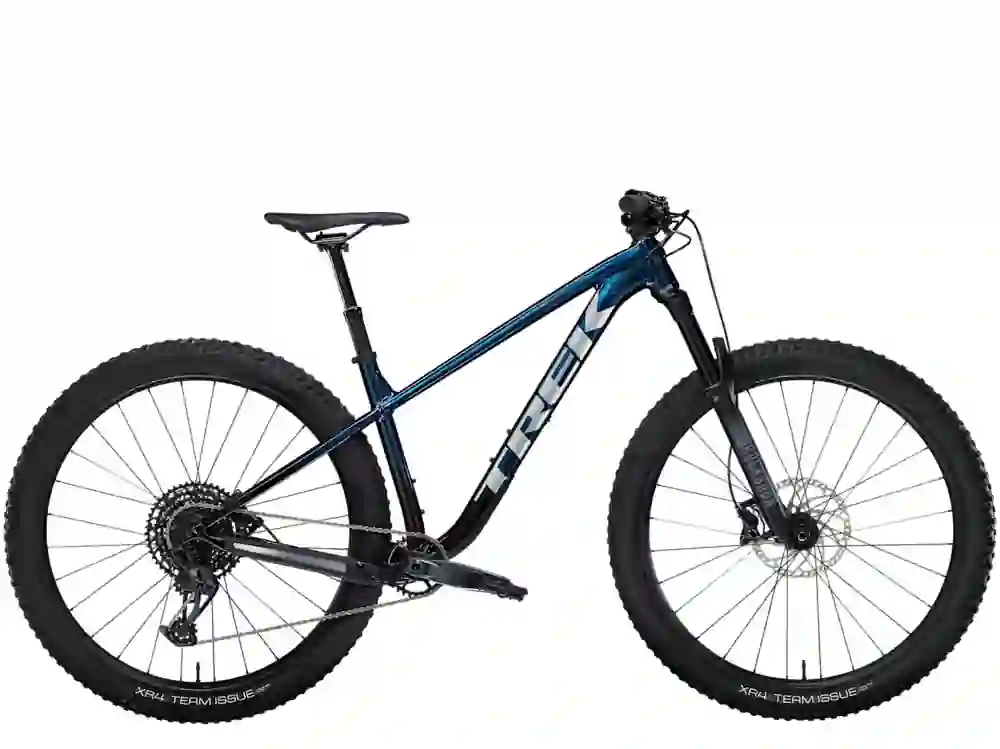
- Frame Material: Alpha Gold / Alpha NEXT Aluminum
- Bottom Bracket: BSA Threaded (73mm)
- Rear Spacing: Boost 148mm Thru-Axle
- Motor Required: 73mm Variant
- Chainring Offset: 9mm (Achieves a 52.5mm chainline)
The Boost spacing makes chainline engineering critical; you must use a 9mm offset chainring to bring the motor’s 61.5mm raw chainline back to a functional 52.5mm alignment. Both the DM01 and DM02 are highly recommended across all generations.
3X-Caliber (All Generations)
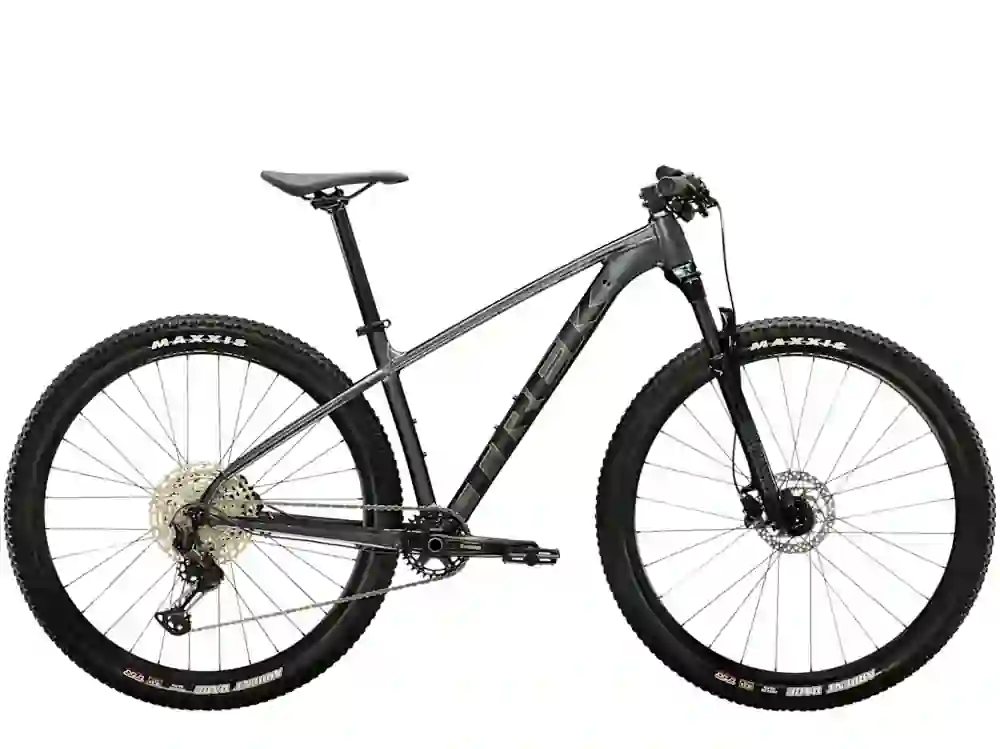
- Frame Material: 6061 T6 / Alpha Gold Aluminum
- Bottom Bracket: BSA Threaded (73mm)
- Rear Spacing: Non-Boost 135mm QR or Boost 141mm QR
- Motor Required: 73mm Variant
- Chainring Offset: 9mm (Achieves a 52.5mm chainline)
No bottom bracket adapters are required. Installation difficulty is low. The 9mm offset chainring achieves a 52.5mm chainline, which is within the accepted tolerance for both rear spacing standards (135mm or 141mm). Both DM01 and DM02 are compatible.
Rear spacing is in a transitional period on Gen 2-3 (approx. 2017-2020). Verify rear axle spacing on your specific frame year before selecting chainring offset, as this directly determines whether you target a 52mm non-Boost or 52mm Boost 141 chainline.
4820
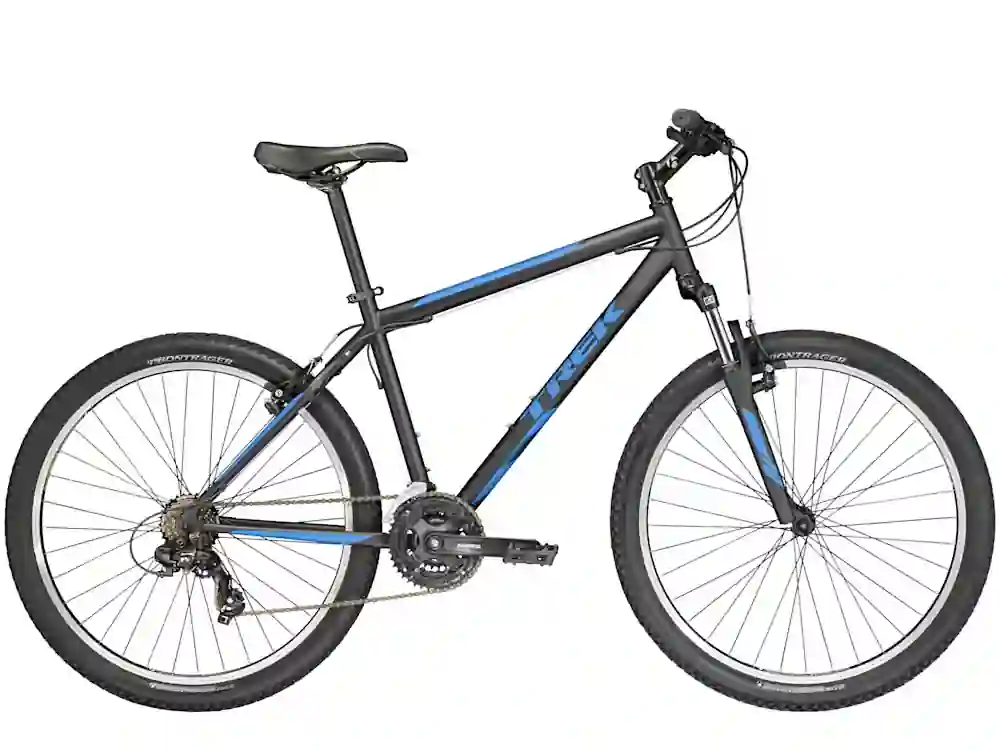
- Frame Material: Steel
- Bottom Bracket: BSA Threaded (68mm or 73mm)
- Rear Spacing: 135mm
Installation difficulty is extremely low. You must order the motor variant that matches your specific 820’s shell width — measure with a caliper before ordering. The DM02 is the optimal choice for this entry-level frame.
1.2 Trek Full Suspension MTB Platforms: Fuel EX, Remedy, Slash, Top Fuel
Trek’s full-suspension models introduce significant engineering complexity. These frames utilize Trek’s Active Braking Pivot (ABP) kinematics. The ABP system places a suspension pivot concentric to the rear wheel axle, but the main structural pivots remain near the bottom bracket. As the rear suspension compresses, the physical distance between the bottom bracket and the rear axle lengthens. This phenomenon is known as chain growth. Before finalizing your chain length, you must remove the rear shock, cycle the suspension through its full travel, and verify that the chain tension can accommodate maximum chain growth without tearing the derailleur from the frame.1Fuel EX (Gen 1-5, Alu) & Remedy AL
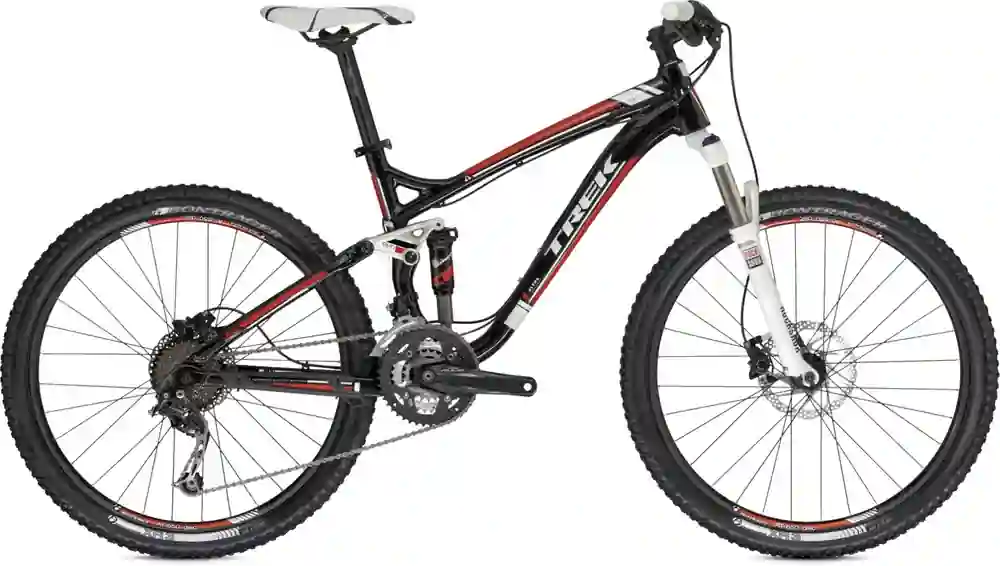
- Frame Material: Alpha Platinum Aluminum
- Bottom Bracket: PF89.5 / PF92 (41mm Inner Diameter)
- Rear Spacing: Non-Boost 142mm or Boost 148mm
- Motor Required: 73mm Variant
- Hardware Required: CNC-machined PF41-to-BSA reducer bushings
Installation difficulty is high, as the shell width consumes axle space, leaving minimal thread engagement. Strict spacer management is required to prevent axle bottoming. ABP chain growth protocol applies. With proper spacer centering and the 9mm offset chainring, the achieved chainline is 52.5mm. Both DM01 and DM02 are compatible on aluminum frames. Locknut torque for aluminum: 45 to 50Nm.
2Fuel EX (Gen 6 & 7) & Slash (Gen 5)
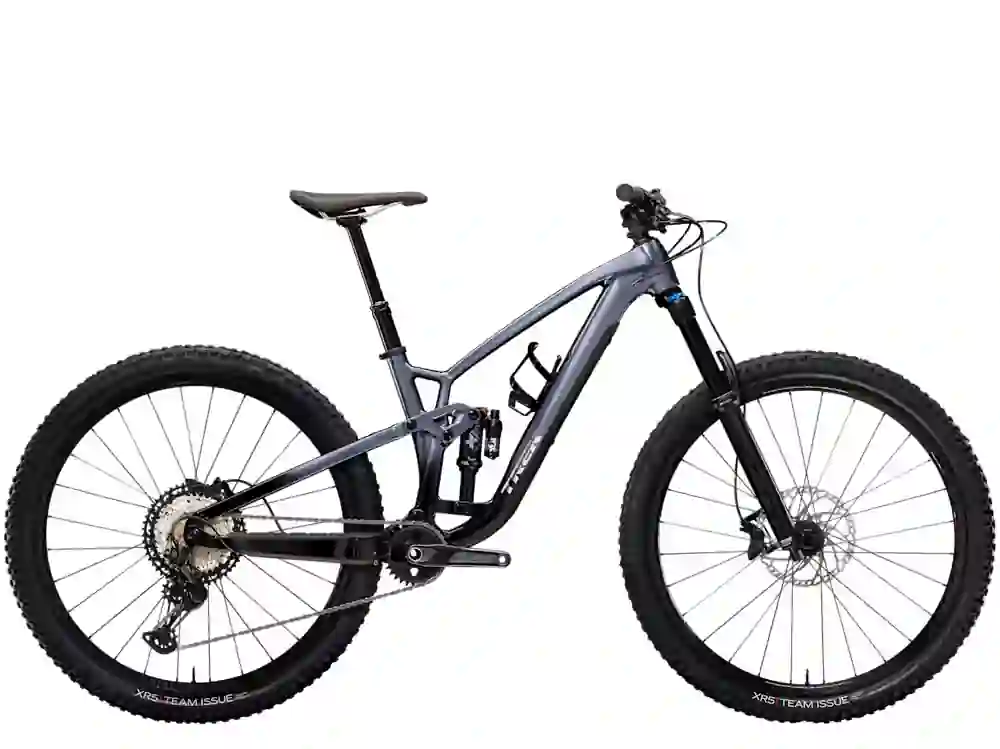
- Frame Material: Alpha Aluminum
- Bottom Bracket: BSA Threaded (73mm)
- Rear Spacing: Boost 148mm
- Motor Required: 73mm Variant
Returns to a much safer BSA threaded 73mm shell. However, the Gen 6 Fuel EX features a heavily curved downtube. This curve physically prevents the motor housing from rotating upward for ground clearance. The motor must hang vertically. You must confirm motor housing clearance at full suspension compression to ensure the frame linkage does not impact the motor body. Both DM01 and DM02 are compatible.
3Fuel EX (Gen 5 Carbon) & Remedy (Carbon)
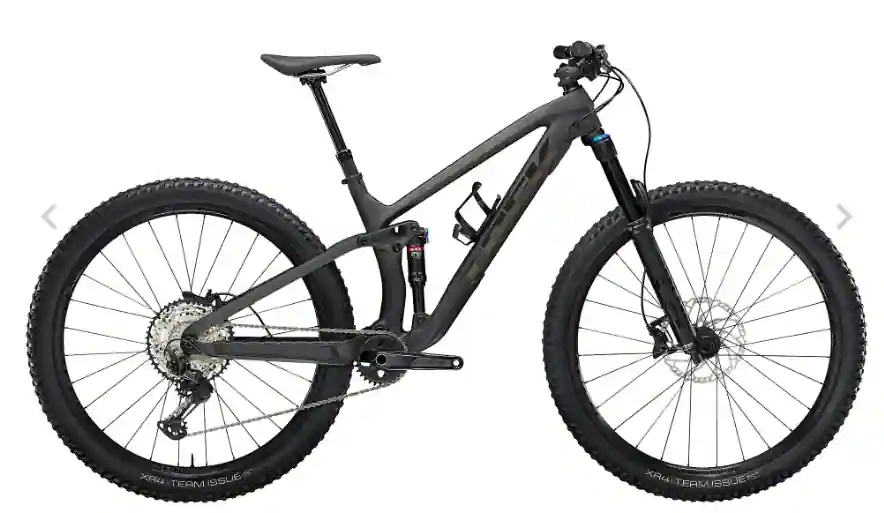
- Frame Material: OCLV Carbon
- Bottom Bracket: PF92 (41mm Inner Diameter)
- Hardware Required: CNC-machined PF41-to-BSA reducer bushings
Installation difficulty is high. Because these are carbon frames, the DM01 is strictly prohibited; you must use the DM02 and limit lockring torque to 35 to 40Nm. Protective interface pads between the motor housing and frame are mandatory.
4Top Fuel (Generation 4)
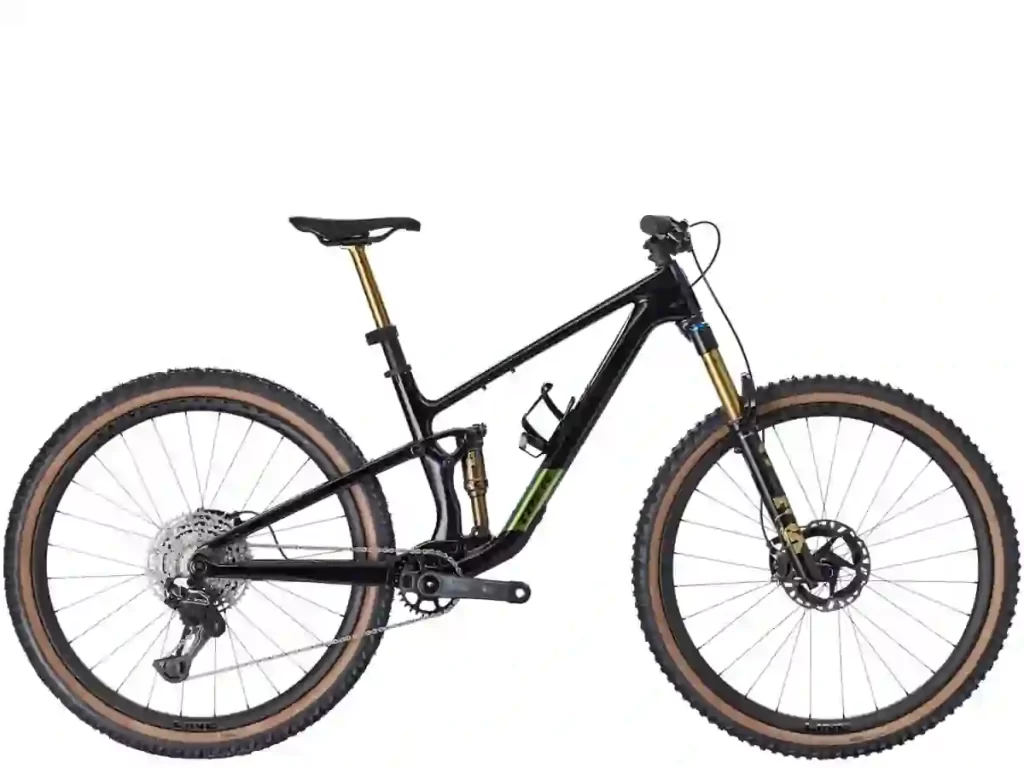
- Frame Material: OCLV Carbon
- Bottom Bracket: BSA Threaded (73mm)
- Hardware Constraint: DM01 Prohibited
Installation difficulty is high due to tight clearances around the lower shock mount and suspension linkages. If installing a DM02, fabricating a custom torque arm that anchors to a non-rotating shoulder of the main suspension pivot is highly recommended to prevent crushing forces on the carbon shell. The Top Fuel’s 55mm Boost Wide chainline target cannot be achieved perfectly with any off-the-shelf Toseven chainring offset. The 9mm offset is the less harmful compromise.
1.3 Trek Hybrid And Fitness Platforms: FX, Dual Sport, Verve
Trek’s hybrid platforms are outstanding candidates for urban commuting conversions, offering flat-bar control geometries and spacious main triangles.1FX, Dual Sport, Verve
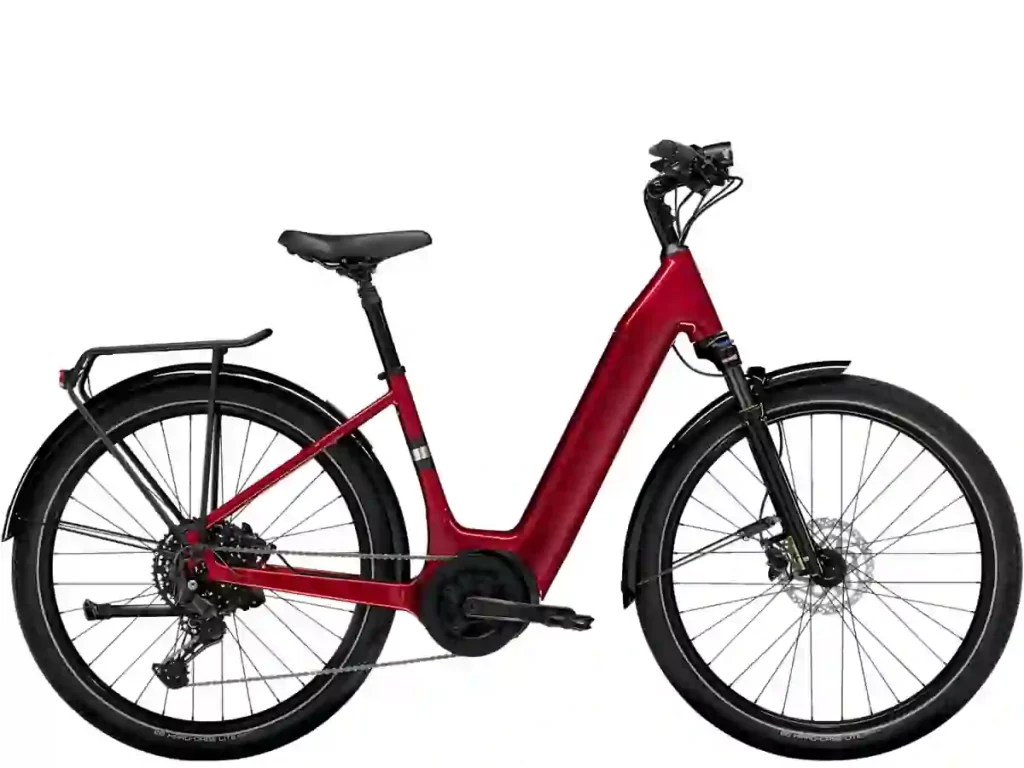
- Frame Material: Alpha Aluminum
- Bottom Bracket: BSA Threaded (68mm)
- Rear Spacing: 135mm Quick-Release
- Motor Required: 68mm Variant
The 68mm shell width is the absolute optimal baseline for the Toseven system. It allows for perfect centering using standard spacer kits and guarantees maximum thread engagement. With the standard 9mm offset chainring, the chainline will sit at a perfect 50mm, providing flawless shifting across the entire cassette. The DM02 is the definitive recommendation for these frames.
1.4 Trek Road And Gravel Platforms: Domane, Émonda, Checkpoint
Converting Trek road and gravel bicycles requires extreme mechanical vetting. Historically, these frames utilized the most difficult proprietary bottom bracket standard in the industry, which poses severe compatibility risks for mid-drive motors.1Modern Domane, Émonda, Checkpoint (T47)
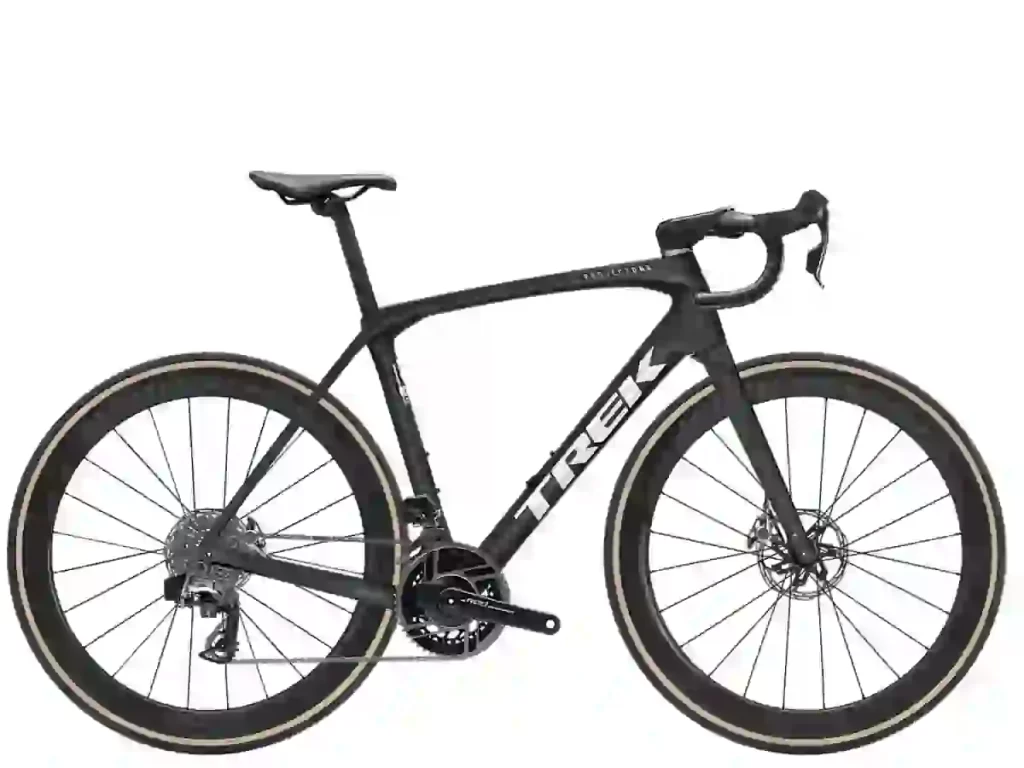
- Frame Material: OCLV Carbon / Alpha Aluminum
- Bottom Bracket: T47 Threaded (46mm Inner Diameter)
- Hardware Required: T47-to-BSA Threaded Reducer Cups
- Hardware Constraint: DM01 Prohibited on Carbon models
You must purchase and install T47-to-BSA threaded reducer adapters to step the 47mm threads down to the required BSA dimensions. Installation difficulty is moderate. Because the vast majority of these frames are OCLV Carbon, you must use the DM02, ensuring locknut torque remains between 35 and 40Nm to protect the carbon shell.
Verify the exact transition year for aluminum Checkpoint AL models, as some sources suggest they retained BB86 longer than the carbon variants. Verify your specific frame’s BB shell with a caliper before ordering adapters.
1.5 Trek Cross-Country MTB Platforms: Procaliber, Supercaliber
1Procaliber (All Generations)
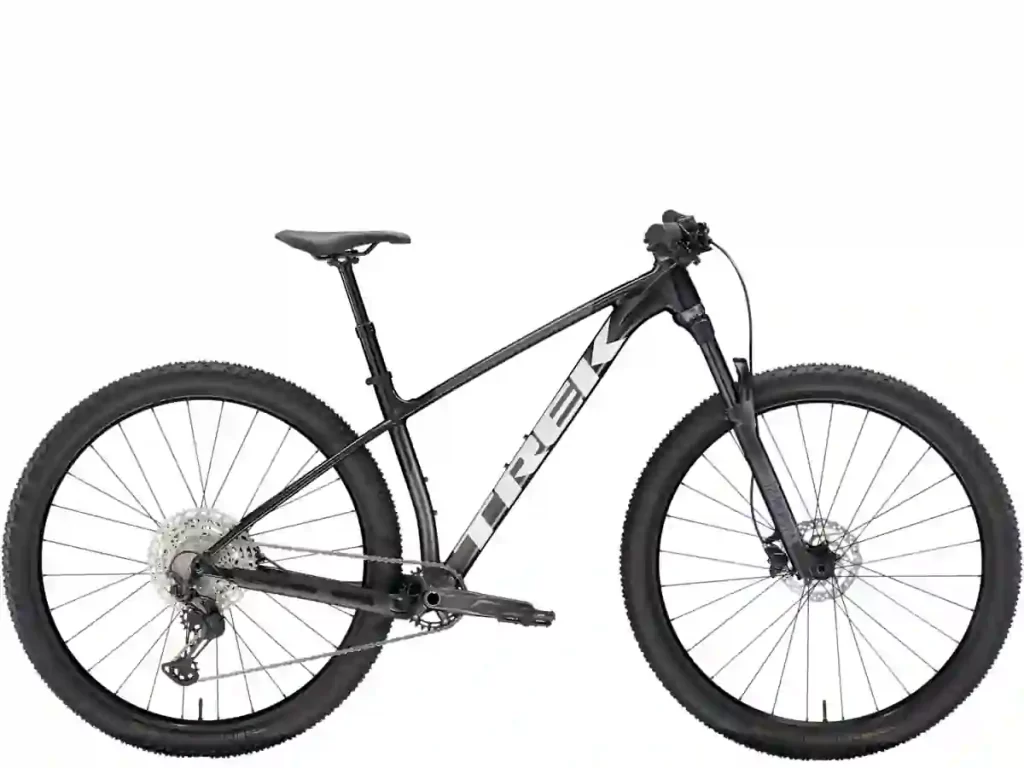
- Frame Material: OCLV Mountain Carbon
- Bottom Bracket: PF92 (41mm Inner Diameter)
- Rear Spacing: Boost 148mm
- Motor Required: 73mm Variant
- Hardware Required: CNC-machined PF41-to-BSA reducer bushings
Trek has never offered an aluminum Procaliber. This means the DM01 motor is strictly prohibited. The same adapter procedure applies as the Fuel EX Gen 5: strict spacer management to avoid axle bottoming, and primary lockring torque strictly limited to 35 to 40Nm. Use the 9mm offset chainring for a 52.5mm chainline.
Some sources suggest size Small frames shipped with 142mm spacing on certain model years — verify before conversion on a size S frame.
2Supercaliber (Gen 1 & Gen 2)
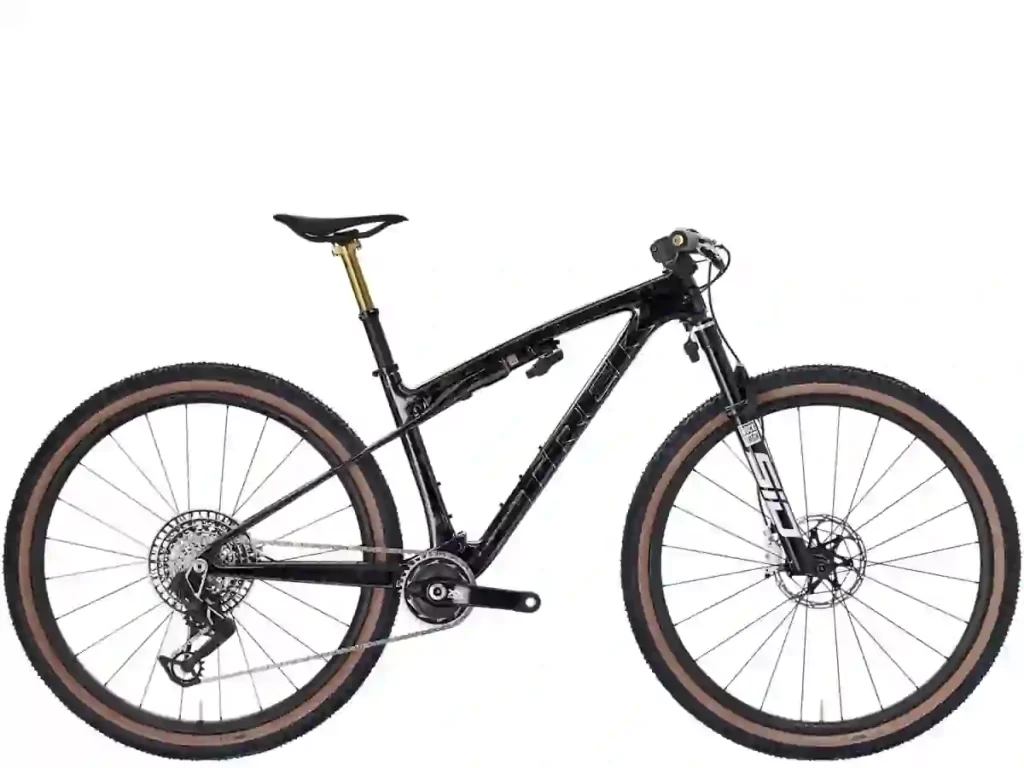
- Frame Material: OCLV Mountain Carbon
- Bottom Bracket: PF92 (41mm Inner Diameter)
- Hardware Constraint: DM01 Strictly Prohibited
The Supercaliber uses Trek’s IsoStrut system, which integrates the rear shock directly into the seat tube. This is fundamentally different from ABP kinematics. You must physically cycle the full suspension travel and verify motor housing clearance at full compression — the integrated shock leaves very little room near the bottom bracket area. Installation difficulty is extreme. Proceed only with direct mechanical experience on full-suspension carbon frames.
Exact chain growth magnitude under IsoStrut compression for Gen 2 Supercaliber is unverified in community sources — measure empirically before finalizing chain length.
02 Bottom Bracket Deep Dive
- Threaded Shell Features internal spiral grooves machined directly into the frame. Installing a threaded bottom bracket is analogous to driving a precisely machined bolt into a tapped nut. The threads provide a massive surface area for load distribution and lock the hardware firmly in place.
- Press-Fit Shell Is entirely smooth inside. Installing a press-fit bottom bracket is analogous to forcing a slightly oversized metal or composite sleeve into a smooth bore using heavy mechanical pressure. The system relies entirely on friction and tight manufacturing tolerances to remain secure.
BSA Threaded (68 To 73 Millimeters)
The British Standard Cycle (BSA) threaded bottom bracket is the most proven and universally accepted standard in bicycle mechanics. It features a 1.37-inch shell diameter with 24 threads per inch, resulting in an internal diameter of approximately 33.6 to 33.9 millimeters. The shell width will measure either 68 millimeters or 73 millimeters. Trek utilizes the BSA standard extensively across its Alpha Aluminum hardtail mountain bikes, including the Marlin and Roscoe, as well as the FX series hybrid platforms. For Toseven conversions, the BSA standard is the absolute ideal scenario. The Toseven DM01 and DM02 motor axles measure approximately 33.5 millimeters in diameter. Because the internal diameter of a BSA shell is just slightly larger than 33.5 millimeters, the Toseven axle slides through the frame with minimal radial play. Installation on a BSA frame is the easiest and safest configuration available. No internal adapters or reducer bushings are required. The flat, machined outer faces of the 68 millimeter or 73 millimeter BSA shell provide an optimal clamping surface for the Toseven mounting plate and lockring. When the primary locknut is torqued to specification, the load is distributed evenly across the frame.T47 Threaded
In recent years, Trek has transitioned many of its high-end road and gravel platforms, such as modern iterations of the Domane (2020 and newer) and Checkpoint, to the T47 standard. T47 is a threaded bottom bracket system, but it features a much larger M47x1.0 thread pitch and an internal diameter of approximately 46 millimeters. While a threaded interface is inherently superior to press-fit for resisting motor torque, the presence of threads alone does not guarantee direct compatibility. The 46 millimeter internal diameter of the T47 shell is far too large to support the 33.5 millimeter Toseven motor axle. If installed without adaptation, the motor would sit loosely in the frame, leading to immediate structural failure upon the application of torque. To safely install a Toseven motor into a T47 frame, you must purchase and install specialized T47-to-BSA threaded reducer cups. These cups thread directly into the oversized 47 millimeter frame shell and effectively step the internal diameter down to the standard BSA dimension, providing a snug, secure sleeve for the motor axle.BB86 And BB92 Press-Fit (41mm Inner Diameter)
Press-fit technology was adopted by the bicycle industry to reduce weight and theoretically improve frame stiffness, but it introduces significant complexity for motor conversions. Trek utilized the BB86 (road, 86.5 millimeter width) and BB92 (mountain, 91.5 millimeter width) standards on many of its aluminum road models and mid-era full-suspension mountain bikes, such as the Generation 5 Fuel EX. These shells feature a smooth, threadless 41 millimeter internal diameter. To adapt a 41 millimeter shell to the 33.5 millimeter Toseven motor axle, you must use mandatory hardware: official, CNC-machined high-precision reducer support bushings. You must strictly avoid cheap, 3D-printed, or low-grade plastic adapters. Under the torsional stress of a mid-drive motor, cheap adapters will deform, causing the motor to twist within the frame. This misalignment will destroy the bottom bracket shell. Furthermore, BB86 and BB92 shells are significantly wider than the 68 to 73 millimeter baseline that the Toseven axle was designed for. This width consumes vital axle length. If you do not manage this spacing correctly, you will encounter a mechanical failure known as axle bottoming. Axle bottoming occurs when the threaded portion of the motor axle runs out of depth before the lockring can compress fully against the frame. The nut tightens against the axle shoulder instead of the bicycle frame, leaving the motor loose. To prevent this, you must adhere to a strict spacer rule. You must utilize factory 1 millimeter and 2 millimeter precision spacer kits to center the motor. Placing spacers strategically on the drive side pulls the axle back just enough to ensure the non-drive side lockring can achieve full clamping pressure against the frame face. If these spacers are ignored, the motor will exhibit lateral play, which will eventually tear the CNC bushings from the carbon or aluminum shell.BB89.5 Press-Fit (41mm Inner Diameter)
The BB89.5 standard is found on early generation Trek Fuel EX models (Generation 1 through 3, approximately 2014 to 2017). It is closely related to the BB92 standard but features a shell width of 89.5 millimeters rather than 91.5 millimeters — a difference of 2 millimeters total, or 1 millimeter per side. Like the BB92, the BB89.5 shell features a smooth, threadless 41 millimeter inner diameter and requires the same mandatory CNC-machined PF41-to-BSA reducer bushings. The same axle bottoming risks apply, and the same precision spacer management is required. The 2 millimeter narrower width of the BB89.5 compared to BB92 is a small but meaningful practical advantage: it consumes marginally less axle thread length, leaving slightly more thread engagement for the lockring to achieve full clamping pressure against the frame face. If you are converting a BB89.5 frame, you may find that spacer calibration is slightly more forgiving than on a BB92 frame, but you must still perform the full spacer calibration procedure. Do not assume adequate engagement without measuring.03 Chainline & Chainring Offset Engineering
1. What Is Chainline?
To successfully convert a Trek bicycle into an e-bike, you must master the concept of chainline. In mechanical terms, the chainline is the distance measured in millimeters from the exact longitudinal centerline of the bicycle frame to the centerline of the front chainring teeth. For a bicycle drivetrain to function properly, the front chainring must perfectly align with the center of the rear cassette attached to the rear wheel. You can visualize this relationship like a train track. The front chainring is one rail, and the rear cassette is the other. If the track is perfectly straight, the train — in this case, your bicycle chain — runs smoothly and efficiently. If the track is crooked, the mechanical friction increases exponentially, the metal grinds, and the train eventually derails. Mid-drive motors naturally disrupt this alignment. Inside the Toseven motor casing is a series of primary reduction gears that multiply the motor’s force. These internal gears consume physical space outside of the bicycle’s bottom bracket shell. As a result, when you mount the motor through the frame, the mounting point for the front chainring is pushed significantly outward, away from the frame centerline. A standard pedal-only Trek bicycle is designed around a chainline of approximately 49 to 50 millimeters. The raw, uncorrected chainline of a Toseven motor sits at approximately 59 millimeters on the 68 millimeter motor variant, and 61.5 millimeters on the 73 millimeter motor variant. If left uncorrected, this severe outward misalignment will cause the chain to pull at an extreme angle when shifted into the larger rear cogs, resulting in harsh grinding, poor shifting performance, and immediate chain drops.2. Boost Versus Non-Boost Spacing
To correct the chainline, you must first identify the rear hub spacing of your specific Trek frame. The bicycle industry utilizes two primary rear axle standards, commonly referred to as non-Boost and Boost spacing.- Non-Boost Spacing Features a rear axle width of either 135mm (QR) or 142mm (Thru-axle). Predominantly found on Trek hybrid models (FX, Dual Sport) and older hardtails. The target front chainline is 49 to 50mm (for 68mm shells) or approximately 52mm (for 73mm shells).
- Boost Spacing Widens the rear axle to 148mm. Found on almost all modern Trek mountain bikes (Roscoe, Fuel EX, Slash). The entire rear cassette is pushed 3mm further outward. The target front chainline must also move outward to approximately 52 to 55mm to maintain a straight path.
- Boost 141 Utilized on certain X-Caliber models with a quick-release axle. The factory chainline target is 52mm, functionally equivalent to Boost 148 for chainring selection purposes.
3. Chainring Offsets
To solve the outward projection of the mid-drive motor, engineers use offset chainrings. An offset is a physical inward curve, or dish, machined into the metal of the chainring. Instead of sitting flat against the motor mount, an offset chainring bends backward over the motor housing, pulling the gear teeth closer to the bicycle frame to restore a straight chainline. Toseven offers chainrings in two primary configurations: 0 millimeter offset (completely flat) and 9 millimeter offset (dished inward). Choosing the correct offset is the difference between a flawless conversion and a bicycle that cannot be ridden.- Non-Boost Hybrid (68mm shell/motor) Raw chainline 59mm. Use 9mm offset ring. Final chainline: 50mm. Matches non-Boost hybrid target perfectly.
- Non-Boost MTB (73mm shell/motor) Raw chainline 61.5mm. Use 9mm offset ring. Final chainline: 52.5mm. Within acceptable tolerance.
- Boost MTB (73mm shell/motor) Raw chainline 61.5mm. Use 9mm offset ring. Final chainline: 52.5mm. Exceptionally close to the 52mm specification required by modern Boost frames.
5. Beginner-Friendly Chainline Examples
To visualize these engineering principles, consider the following physical examples of correct and incorrect chainlines. Imagine looking down at your bicycle chain from a bird’s-eye view while the bike is shifted into the exact middle gear of the rear cassette.Correct Alignment
If you have installed the correct 9 millimeter offset chainring on your Trek FX (non-Boost, 68 millimeter shell), the chain will run in a perfectly straight line from the motor to that middle rear gear. It looks parallel to the bicycle frame. When you shift to the lowest gear (the largest cog closest to the wheel), the chain angles slightly inward. When you shift to the highest gear (the smallest cog), the chain angles slightly outward. The angles are equal and manageable.Incorrect Alignment (Too Far Outward)
If you install a flat 0 millimeter offset chainring, the front of the chain is pushed almost a full centimeter further away from the bicycle frame. Now, when you are in the middle rear gear, the chain is already angling diagonally inward. When you shift into your lowest climbing gear, the angle becomes incredibly sharp. The chain plates will scrape loudly against the teeth of the front ring. If you apply heavy pedal pressure or motor torque, the lateral tension will simply pull the chain completely off the front ring, dropping it onto your pedals.Incorrect Alignment (Too Far Inward)
While rare with mid-drives, if a motor is somehow mounted too far inward (perhaps missing mandatory bottom bracket spacers), the chainring will physically rub against the aluminum or carbon chainstay of the Trek frame. This will immediately grind through the paint and structurally compromise the bicycle frame.04 Step-By-Step Installation Guide
4.1 Tools List
- Metric Hex Keys (Allen Wrenches): 6mm and 8mm hex keys.
- Crank Puller: To safely pull the original bicycle crank arms off the existing spindle.
- Bottom Bracket Tool: A splined socket tool for BSA threaded cups, or a bearing extraction punch for press-fit systems (BB86/BB92).
- Torque Wrench: A critical precision instrument for applying exact rotational clamping force (Nm).
- Toseven Special Wrench: A proprietary steel spanner included in the conversion kit.
- Protective Interface Pads: Dense rubber or neoprene pads (sourced independently) placed between the motor housing and the frame.
- 1mm and 2mm Precision Spacer Kit: Metal washers used to center the motor.
4.2 Bottom Bracket And Reducer Installation
Remove Existing Hardware
Use the crank puller to remove the bicycle’s pedal arms. Next, use the appropriate bottom bracket tool to extract the existing bearings and cups from the frame. Wipe the inside of the empty bottom bracket shell with a clean rag.Install Reducers (If Applicable)
If your Trek uses a BB86 or BB92 press-fit shell (41mm ID), you must first carefully press the official CNC-machined reducer bushings into the frame to step the 41mm hole down to 33.5mm.Insert Motor & Calibrate Spacers
Slide the motor axle through the bottom bracket shell from the drive side. Before installing the mounting plate and locknut on the non-drive side, perform spacer calibration using the 1mm and 2mm kits. Proper centering prevents axle bottoming, ensuring the locknut has enough thread to clamp down properly onto the frame instead of the axle shoulder.4.3 Cable Routing
Trek bicycles, particularly modern iterations of the Marlin, Dual Sport, and Fuel EX, feature internal cable routing. Routing the Toseven wiring harness requires patience. The DM01 utilizes a 1T4 main cable, while the DM02 utilizes a 1T3 main cable.Feed The Connector
Carefully feed the display connector from the bottom bracket exit port up through the downtube toward the handlebars. To avoid kinks, never force or pull a wire violently if it catches. Gently push and twist the wire to navigate internal frame junctions.Secure Away From Moving Parts
Ensure cables are not pinched between the motor body and the frame when the motor is rotated upward into its final mounting position. Ensure all wires are secured well away from the rotating pedal cranks and moving suspension linkages.4.4 Suspension Clearance
If you are converting a Trek full-suspension frame — such as the Fuel EX, Remedy, Slash, or Top Fuel — you must conduct a rigorous clearance protocol before tightening the motor.Deflate Rear Shock
Before installing the bicycle chain, temporarily remove the air pressure from your rear shock (or unbolt one end of the shock). Physically lift the rear wheel to push the suspension entirely through its maximum travel until it bottoms out.Verify Motor Clearance
While the suspension is fully compressed, inspect the motor housing. The motor must not make physical contact with the moving swingarm or the lower shock mount. Once you have established a safe rotational angle where no impact occurs at full compression, you may proceed to torque the mounting hardware.4.5 Torque And Mounting Safety
Applying the correct torque secures the motor against the immense rotational forces it generates. The torque specifications differ strictly based on your Trek’s frame material.- Alpha Aluminum Frames Apply protective interface pads between the ribbed motor housing and the downtube. Using the Toseven special wrench, tighten the primary non-standard locknut to the factory specification of 45 to 50Nm. Install the reinforcement plate over the axle, and tighten the M6 screws to 9 to 10Nm using a 6mm hex key.
- OCLV Carbon Frames The Toseven DM01 motor is strictly prohibited. When mounting the DM02 to a carbon frame, protective interface pads are absolutely mandatory. The primary locknut torque must be strictly limited to a maximum of 35 to 40Nm to prevent the clamping force from cracking the carbon bottom bracket faces.
4.6 Final Checks
Verify Alignment
Grip the motor housing and attempt to rock it laterally. There should be zero play. If movement exists, the axle has bottomed out, and you must remove the motor to add another precision spacer.Confirm Chainline
Ensure you have installed the 9 millimeter offset chainring where applicable to achieve the correct chainline (50mm for non-Boost hybrids, 52.5mm for MTB). Verify that the teeth of the offset chainring are not rubbing against the bicycle’s chainstay.Rotate Cranks
Rotate the pedal cranks backward manually. The drivetrain should spin freely with no binding, catching, or interference with the frame or motor housing.05 Programming And Torque Calibration
5.1 T24 Display Setup
- Wheel Size Set the wheel size. Trek mountain bikes predominantly use a 29-inch wheel (smaller frames may use 27.5-inch). Hybrid/road platforms use 700c. Setting the correct wheel size is mandatory for accurate speed calculation.
- Speed Modes & PAS Configure your speed modes (Eco, City, Sport) and power assist levels (PAS 1-5). These dictate how much electrical current the motor draws.