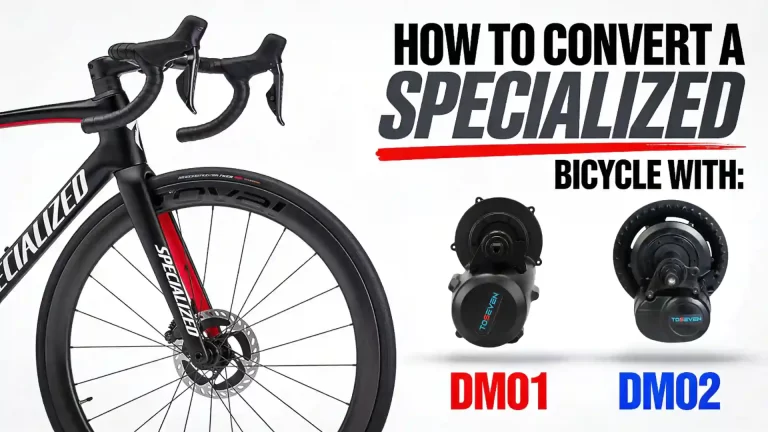
Specialized bicycles represent an excellent donor pool for Toseven DM01 and DM02 mid-drive conversions. The frames offer proven geometries, robust proprietary aluminum alloys designated A1, E5, and M5, and high-grade FACT (Functional Advanced Composite Technology) Carbon constructions, and predominantly spacious front triangles that readily accommodate large battery packs. However, Specialized’s engineering history is characterized by an exceptionally wide variety of bottom bracket standards — from traditional threaded BSA shells on aluminum hardtails and carbon road bikes, to the brand’s proprietary OSBB press-fit standard on select carbon mountain bike frames, to the BB386 EVO press-fit standard used on earlier carbon gravel frames. Successful and safe electrification requires a precise understanding of these mechanical interfaces before any hardware is ordered.
The bottom bracket (BB) shell is the transverse cylindrical housing at the lowest point of the bicycle frame, connecting the downtube, seat tube, and chainstays. In a standard bicycle, this shell houses the bearings that allow the crankset to rotate. In a mid-drive conversion, the Toseven motor axle must pass completely through this shell. The Toseven hardware is natively designed for a shell width of 68 millimeters to 73 millimeters and requires an internal shell diameter large enough to clear a 33.5 millimeter motor axle.
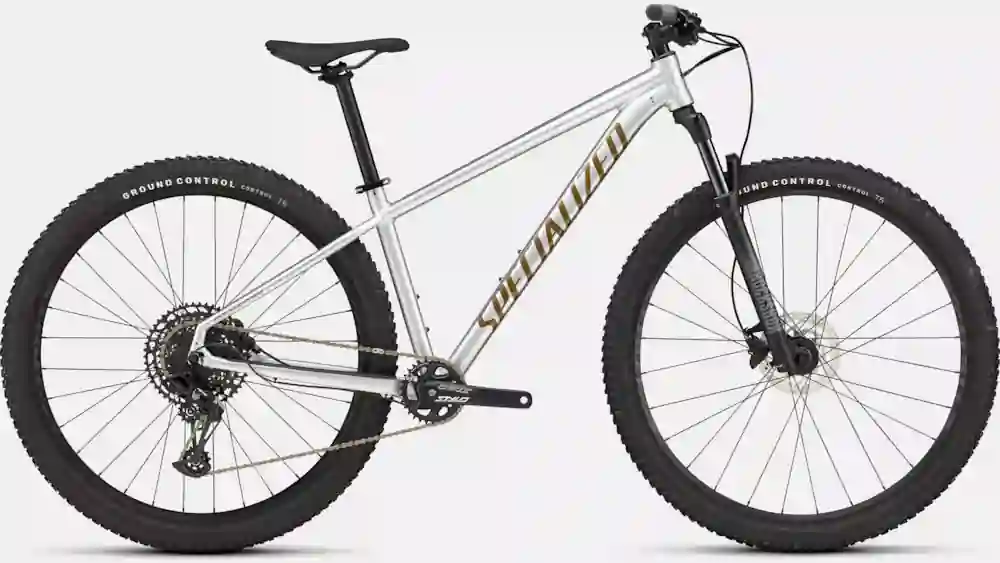
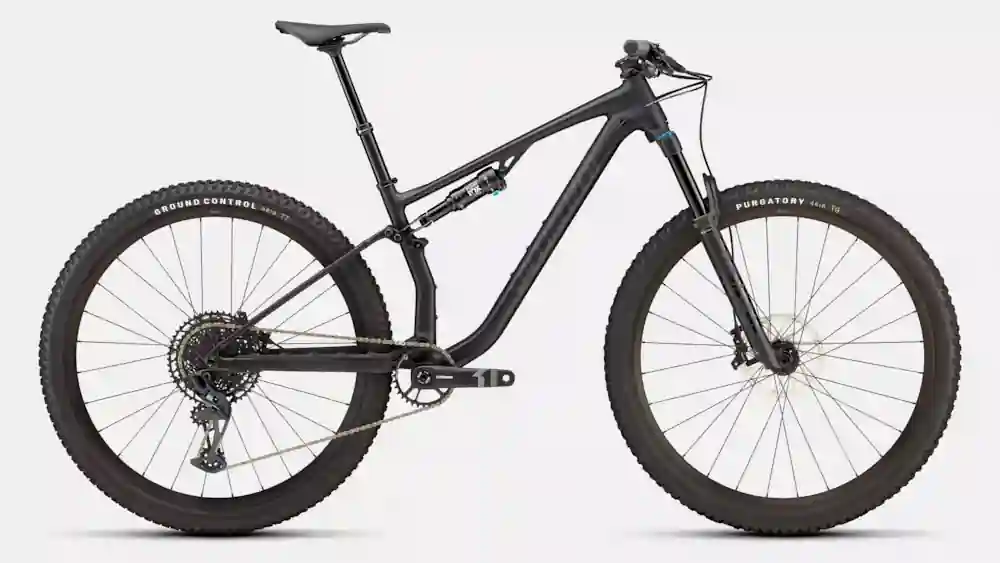
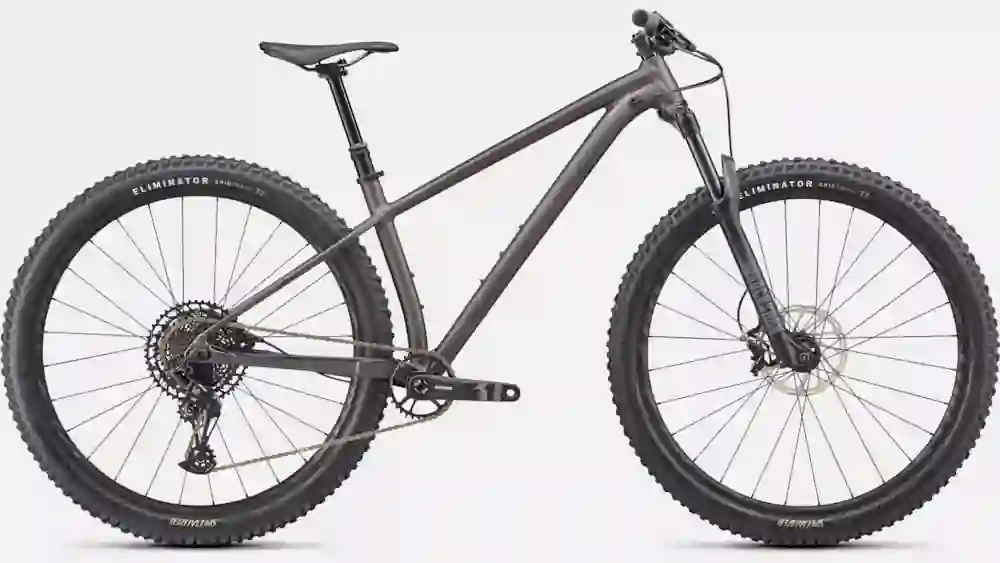
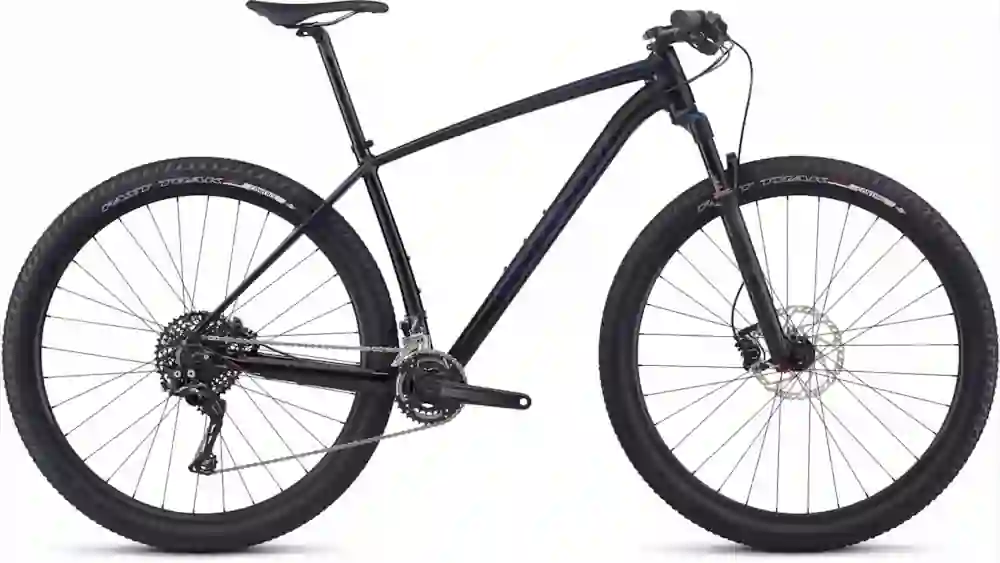
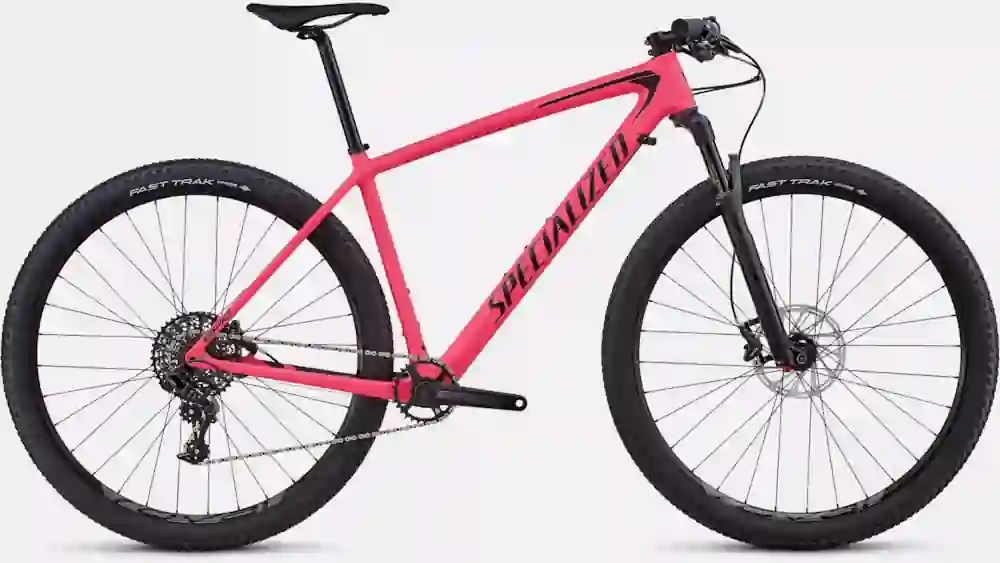
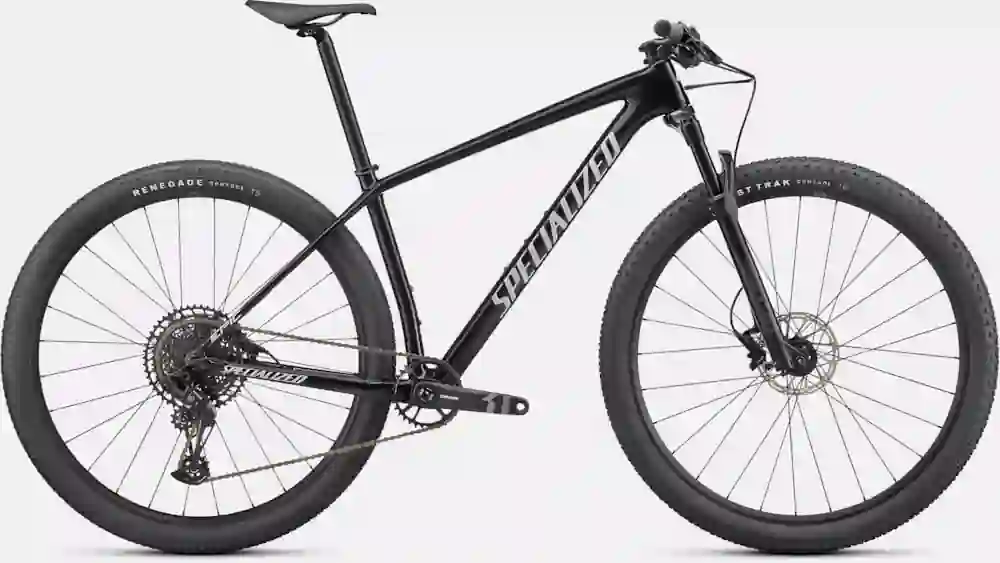
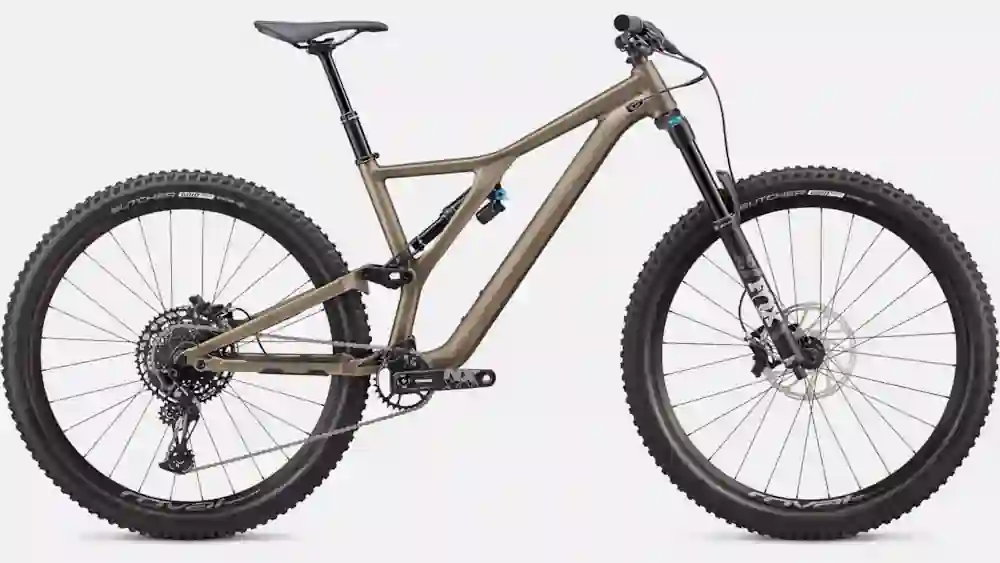
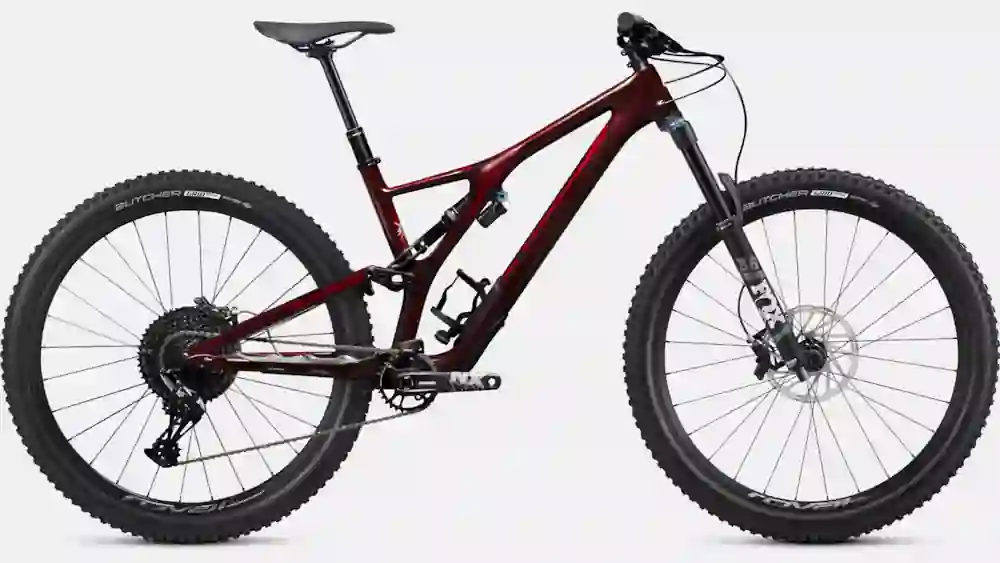
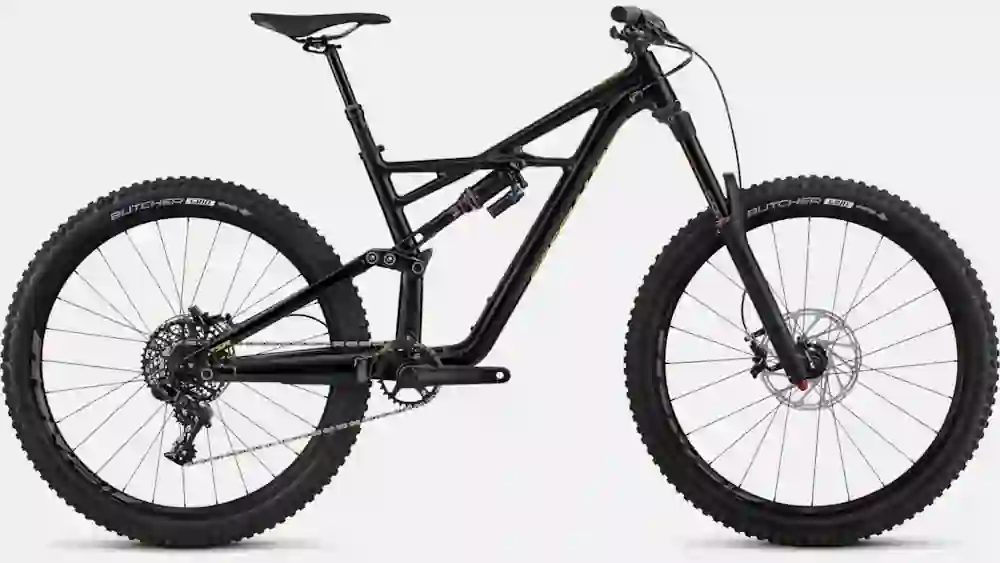
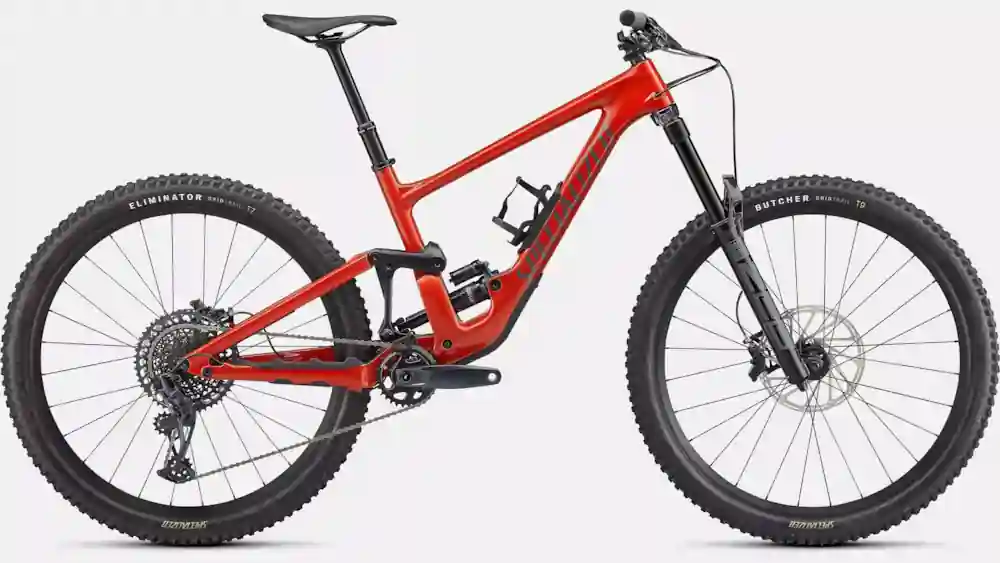
⚠️ The early 2018 symmetrical carbon Stumpjumper is the only full-suspension carbon Stumpjumper within this guide’s scope that requires reducer bushings. Every other carbon Stumpjumper variant — including all Sidearm-generation 2018 models sold from April 2018 onward — uses BSA threaded and requires no bushings. If you do not know whether your 2018 Stumpjumper is early or late production, see the visual identification instructions in Entry 2 below.
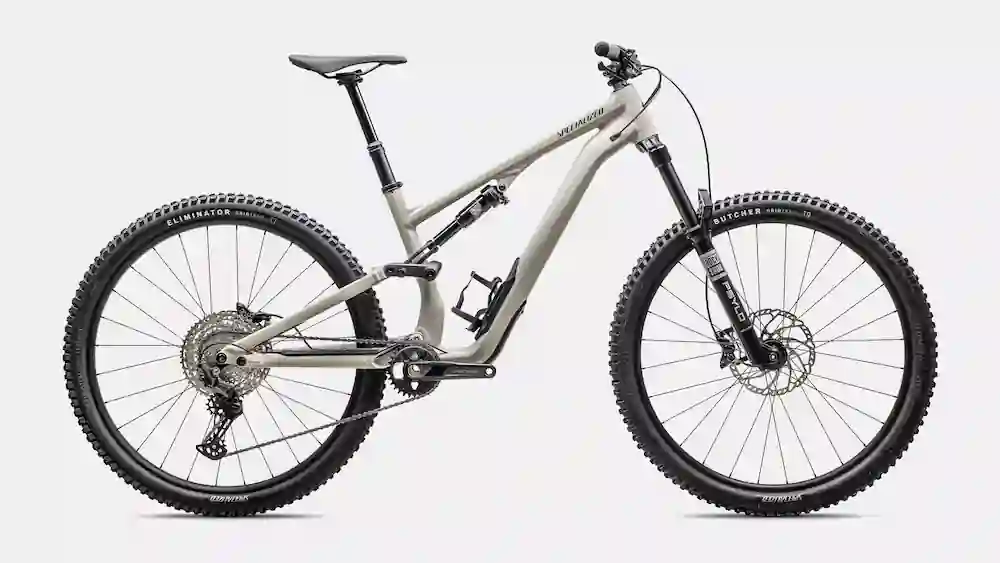
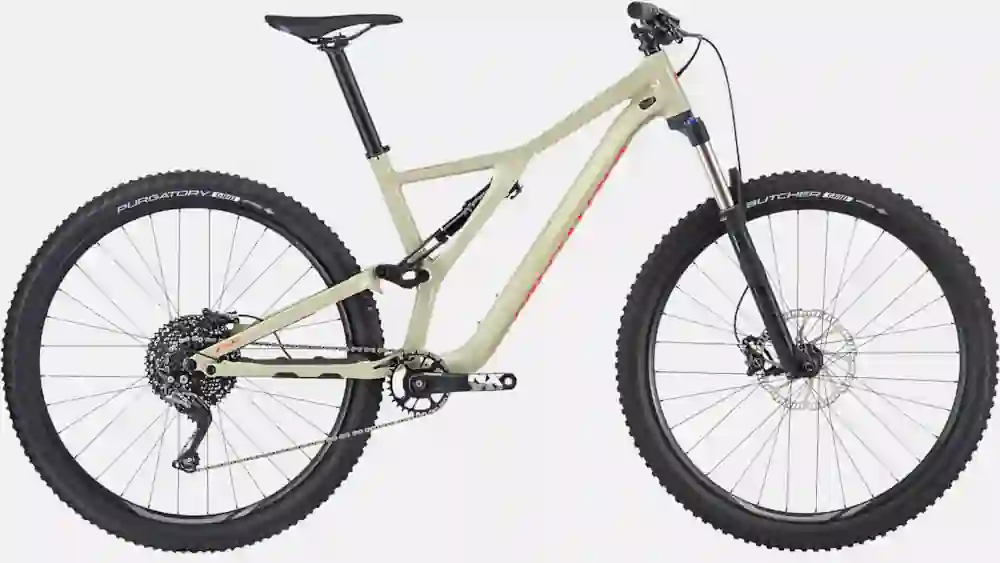 The 2018 model year is a transition year. Two entirely different carbon Stumpjumper frames were sold under the 2018 model designation. You must identify which frame you have before ordering any hardware.
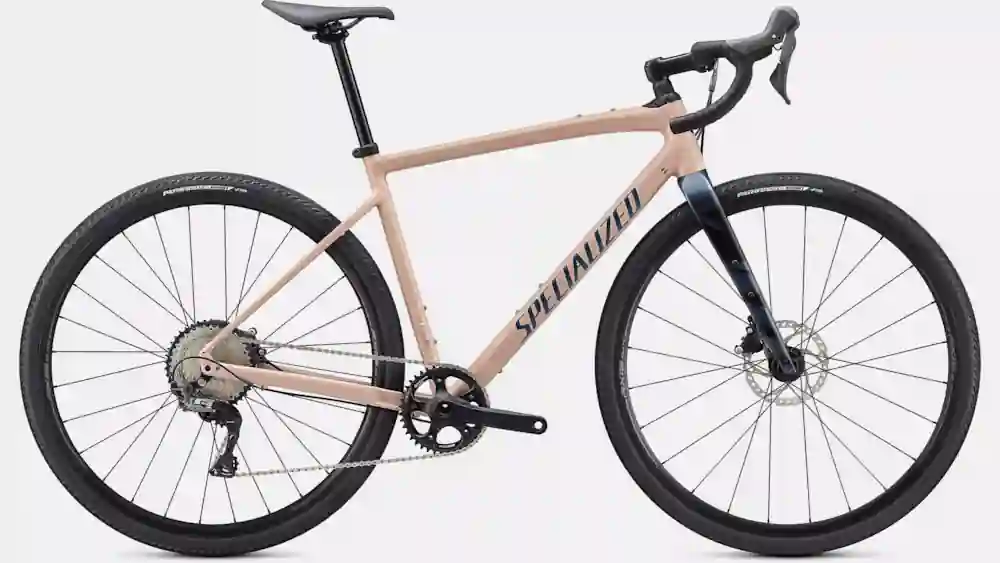
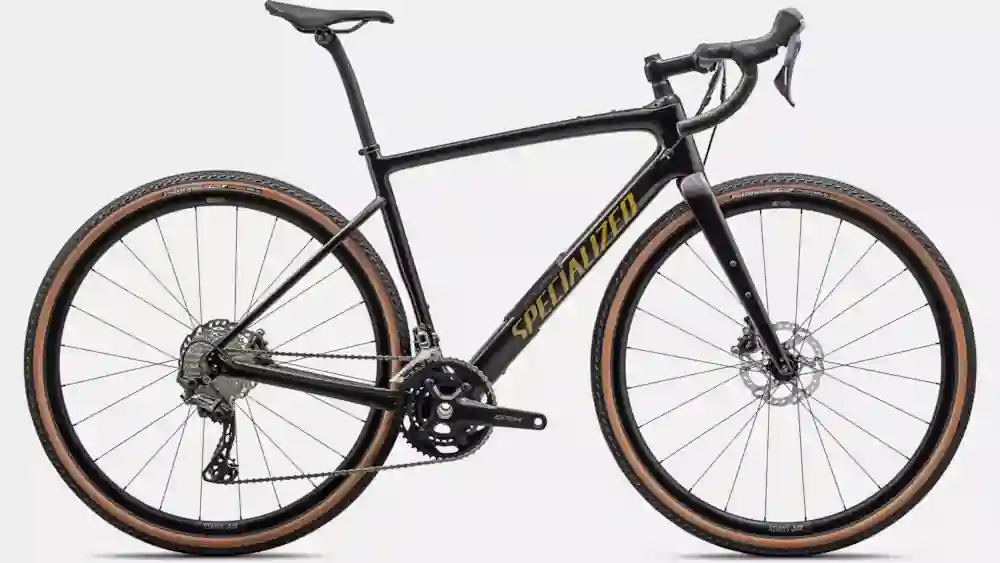 The carbon Diverge underwent a significant bottom bracket standard change with the 2021 model year redesign. The two generations use entirely different BB standards and require different hardware. Identify your model year before ordering anything.
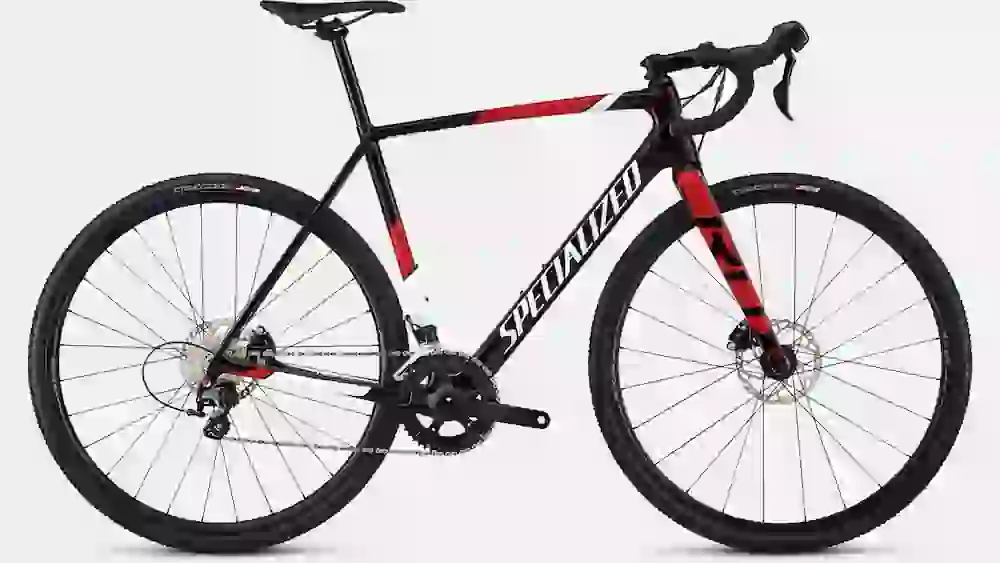 The Crux underwent a complete platform transformation for the 2022 model year, transitioning from a dedicated cyclocross racing frame to a lightweight gravel racing frame. The two generations use entirely different BB standards. Identify your model year before ordering.
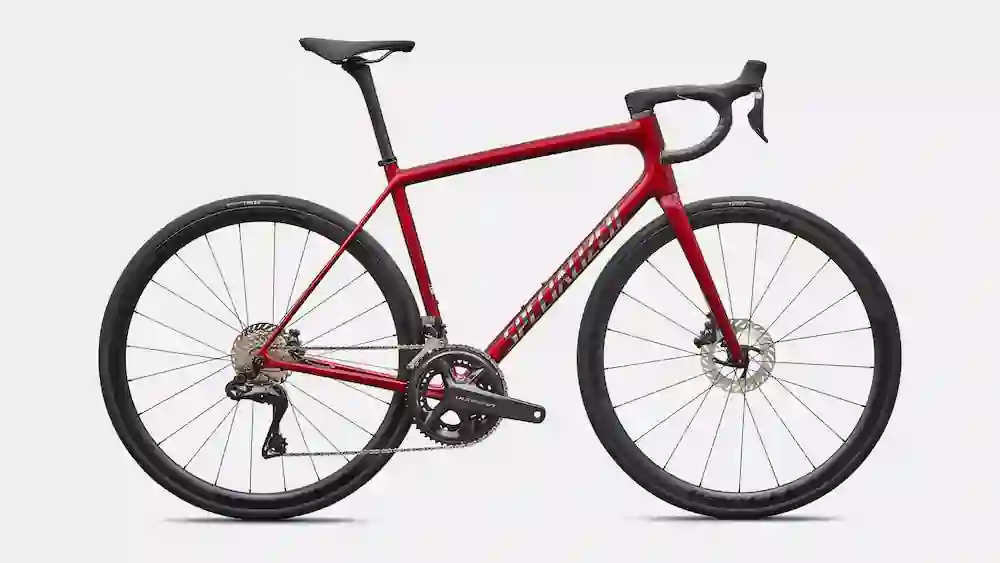
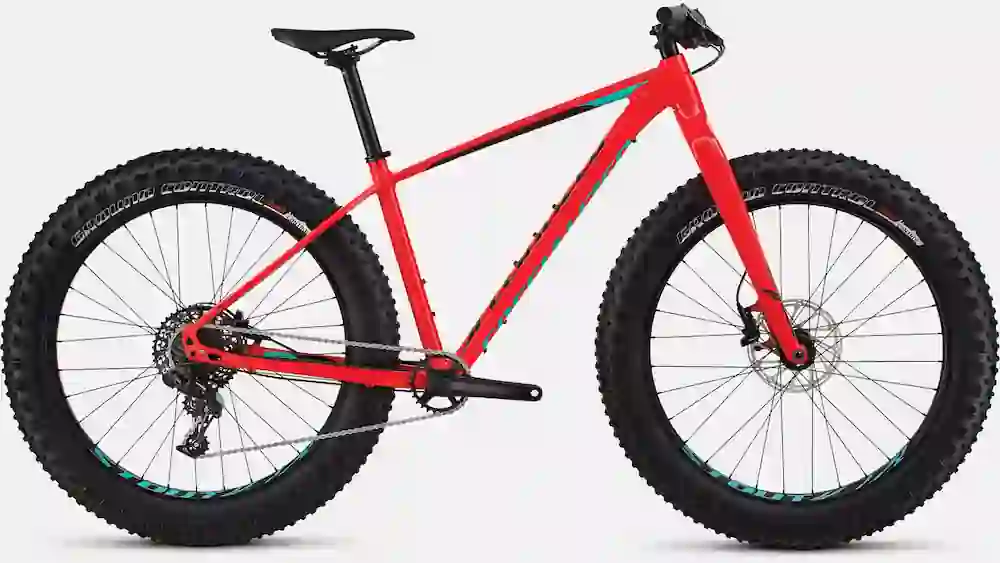 The bottom bracket shell is the cylindrical housing at the lowest junction of a bicycle frame. In a conventional bicycle, it houses the bearings that support the pedal crank spindle. In a mid-drive e-bike conversion, this shell becomes the primary structural anchor for the motor. The Toseven motor axle must pass entirely through this hollow cylinder, and the motor housing is then clamped against the outer faces of the shell to resist the rotational force generated by the electric drive.
To ensure a safe and mechanically sound installation, you must understand the interface between the frame and the motor. Bottom brackets generally fall into two categories: threaded and press-fit.
The Toseven DM01 and DM02 motors are natively engineered for a traditional threaded standard. Adapting them to varying Specialized frames requires specific hardware, precise alignment, and a strict adherence to torque ratings.
The bottom bracket shell is the cylindrical housing at the lowest junction of a bicycle frame. In a conventional bicycle, it houses the bearings that support the pedal crank spindle. In a mid-drive e-bike conversion, this shell becomes the primary structural anchor for the motor. The Toseven motor axle must pass entirely through this hollow cylinder, and the motor housing is then clamped against the outer faces of the shell to resist the rotational force generated by the electric drive.
To ensure a safe and mechanically sound installation, you must understand the interface between the frame and the motor. Bottom brackets generally fall into two categories: threaded and press-fit.
The Toseven DM01 and DM02 motors are natively engineered for a traditional threaded standard. Adapting them to varying Specialized frames requires specific hardware, precise alignment, and a strict adherence to torque ratings.
The 9mm offset chainring paired with the 68mm motor variant achieves a corrected chainline of approximately 50mm. Paired with the 73mm motor variant it achieves approximately 52.5mm.
All Specialized full-suspension platforms in this guide use the FSR (Horst Link) four-bar linkage suspension design. Chain growth is not eliminated by the FSR design and must be measured empirically before any chain is cut.
If in doubt, photograph the inside and outside of your shell with the existing BB removed and contact Toseven support before ordering.
01 Compatibility Overview (All Major Specialized Platforms)
Foundational Terms To Navigate This Guide
- BSA (British Standard Cycle) A traditional, threaded bottom bracket shell. It features a 1.37-inch diameter with 24 threads per inch, yielding an inner diameter of 33.6 millimeters to 33.9 millimeters. This is the optimal standard for Toseven motors.
- Press-Fit (PF) A threadless shell design where bearings or bearing cups are pressed directly into a smooth frame bore using mechanical force.
- OSBB MTB (Open Standard Bottom Bracket — Mountain) Specialized’s proprietary press-fit standard used on select FACT Carbon mountain bike frames. Features a 73 millimeter shell width and a 46 millimeter internal diameter. Within this guide’s scope, found only on the carbon Epic Hardtail (2018–2019) and the early 2018 symmetrical-generation carbon Stumpjumper.
- OSBB Road / BB30 A separate OSBB variant used on the pre-2022 cyclocross Crux. Features a 68 millimeter shell width and a 42 millimeter internal diameter. Mechanically distinct from OSBB MTB — requires different bushing specifications.
- BB386 EVO A press-fit standard used on the 2018–2020 carbon Diverge. Features an 86.5 millimeter shell width and a 46 millimeter internal diameter. Wider than OSBB MTB but shares the same bore diameter.
- Boost Spacing A modern hub standard that widens the rear wheel axle spacing to 148 millimeters (up from the older 135 millimeter or 142 millimeter standards). This pushes the rear cassette outward, requiring specific chainring offsets at the motor to prevent severe chainline misalignment.
- FSR (Horst Link / Four-Bar Suspension) Specialized’s proprietary four-bar linkage rear suspension system used on all Specialized full-suspension platforms in this guide. As the rear suspension compresses, the physical distance between the bottom bracket and the rear axle changes, creating chain growth that must be accounted for before finalizing chain length.
Mandatory Toseven Hardware Directives
Before assessing individual Specialized frame platforms, you must strictly adhere to three universal engineering constraints regarding the Toseven hardware:- First, Carbon Frame Torque Limits Specialized FACT Carbon frames are highly susceptible to crushing failures under torsional motor loads. The Toseven DM01 motor produces 160Nm of torque and is strictly prohibited from being installed on any carbon Specialized frame. Carbon conversions are limited entirely to the DM02 motor. When installing the DM02 on a FACT Carbon frame, you must use protective interface pads between the motor housing and the frame to distribute the load, and the primary bottom bracket lockring torque must be strictly limited to 35 to 40Nm.
- Second, The DM02 Shift Sensor Exclusion The Toseven DM02 kit does not include a shift sensor. Riders utilizing the DM02 must shift gears manually. You must intentionally pause pedal input during derailleur actuation to unload the motor torque from the chain. Failure to do so will result in accelerated drivetrain wear or immediate chain failure under load.
- Third, Motor Sizing Must Match Your Frame’s BB Shell Width The Toseven DM01 is available in 68mm, 73mm, 100mm, 110mm, and 120mm variants. The Toseven DM02 is available in 68mm, 73mm, 100mm, and 110mm variants. For standard Specialized production frames in this guide, only the 68mm, 73mm, and 100mm variants are relevant. The 110mm and 120mm variants fall outside the scope of this guide as no Specialized frame within the 2018 to present production window uses a shell width in that range.
Compatibility Color Key
Read this before the table — each row color below has a specific meaning
🟢
Works Perfectly
Fully drop-in compatible. No special adapter hardware required. Best option for conversion.
🟡
Works Well
Compatible, but requires specific Toseven adapter hardware or a non-standard motor variant.
🟠
DM02 Only — Carbon Caution
DM01 is strictly prohibited. DM02 may be used at reduced torque (35–40Nm) with mandatory interface pads.
🔴
Not Compatible
Cannot be safely converted with standard hardware. Proprietary motor cavity or physically impossible axle fitment.
| Model Name | Frame Material | Bottom Bracket Type | Compatibility Status | Notes |
|---|---|---|---|---|
|
Works Perfectly
Fully drop-in compatible. No special adapter hardware required.
|
||||
| Rockhopper (All Gen) | A1 Aluminum | BSA Threaded (73mm) | 🟢 Works Perfectly | Use 73mm motor and 9mm offset chainring for 52.5mm chainline. Verify Boost vs. non-Boost rear spacing on pre-2020 models. |
| Chisel (All Gen) | M5 Aluminum | BSA Threaded (73mm) | 🟢 Works Perfectly | Boost 148 throughout production run. Use 73mm motor and 9mm offset chainring. |
| Fuse (Aluminum, Boost 148) | M5 Aluminum | BSA Threaded (73mm) | 🟢 Works Perfectly | Verify rear spacing — Super Boost 157mm variants require chainline verification. |
| Epic Hardtail (Aluminum) | A1 / M5 Aluminum | BSA Threaded (73mm) | 🟢 Works Perfectly | Boost 148. Use 73mm motor and 9mm offset chainring. |
| Stumpjumper (Aluminum) | M5 Aluminum | BSA Threaded (73mm) | 🟢 Works Perfectly | FSR compression check mandatory before finalizing chain length. |
| Stumpjumper EVO (Aluminum) | M5 Aluminum | BSA Threaded (73mm) | 🟢 Works Perfectly | 160mm travel increases FSR chain growth magnitude. Compression test is critical. |
| Enduro (Aluminum) | M5 Aluminum | BSA Threaded (73mm) | 🟢 Works Perfectly | Longest-travel FSR platform in this guide. Motor housing clearance check at full compression is mandatory. |
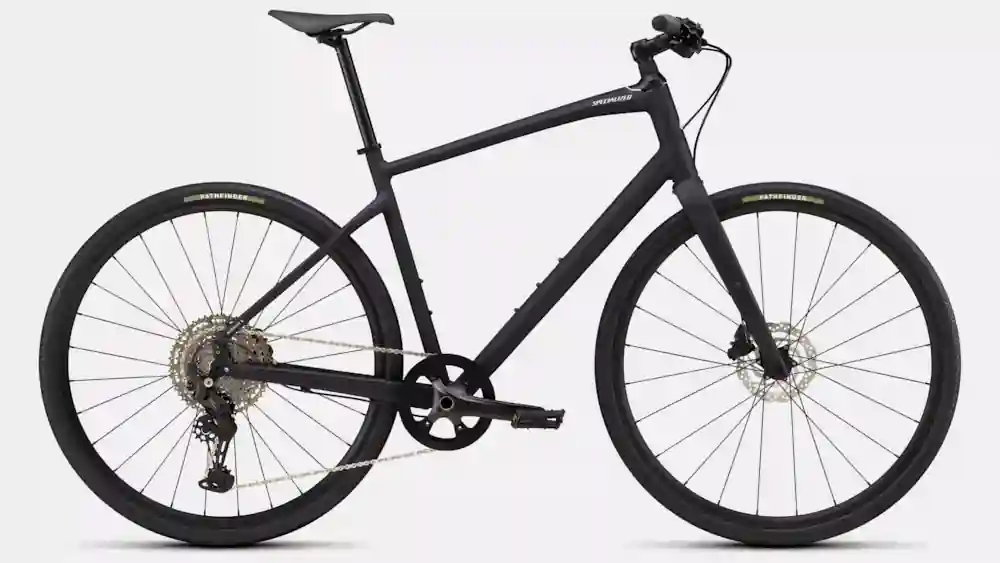
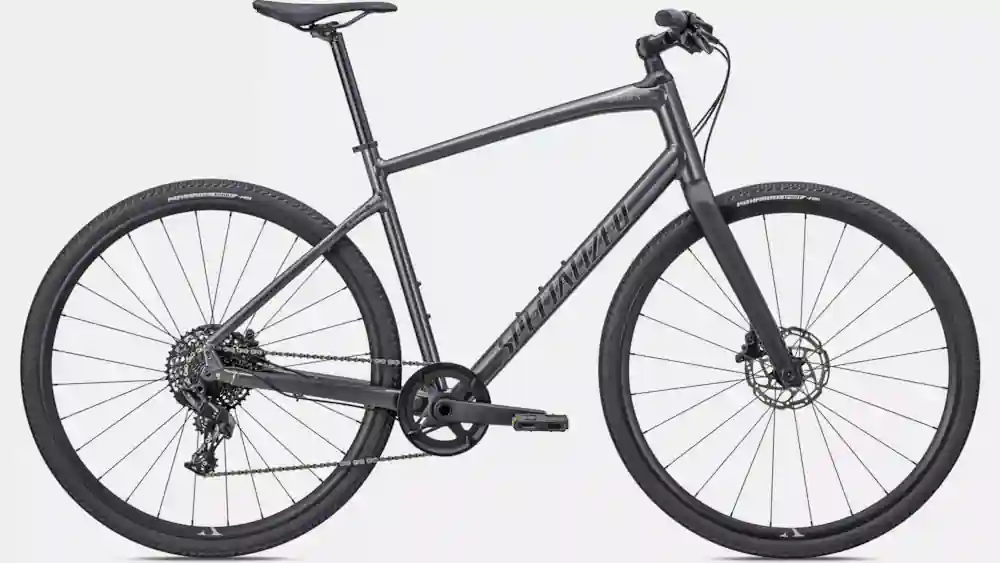
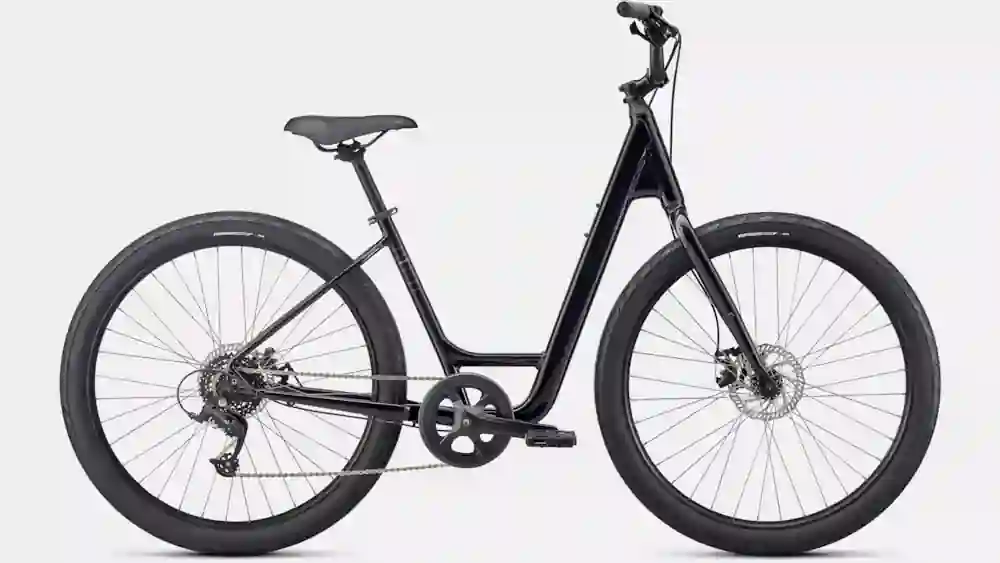
| Sirrus 1.0 / 2.0 / 3.0 / 4.0 | E5 Aluminum | BSA Threaded (68mm) | 🟢 Works Perfectly | Use 68mm motor variant. Achieves perfect 50mm chainline with 9mm offset ring. |
| Sirrus X | E5 Aluminum | BSA Threaded (68mm) | 🟢 Works Perfectly | Use 68mm motor variant. Verify QR vs. thru-axle on specific model year. |
| Roll | A1 Aluminum | BSA Threaded (68mm) | 🟢 Works Perfectly | Installation difficulty is extremely low. DM02 recommended. |
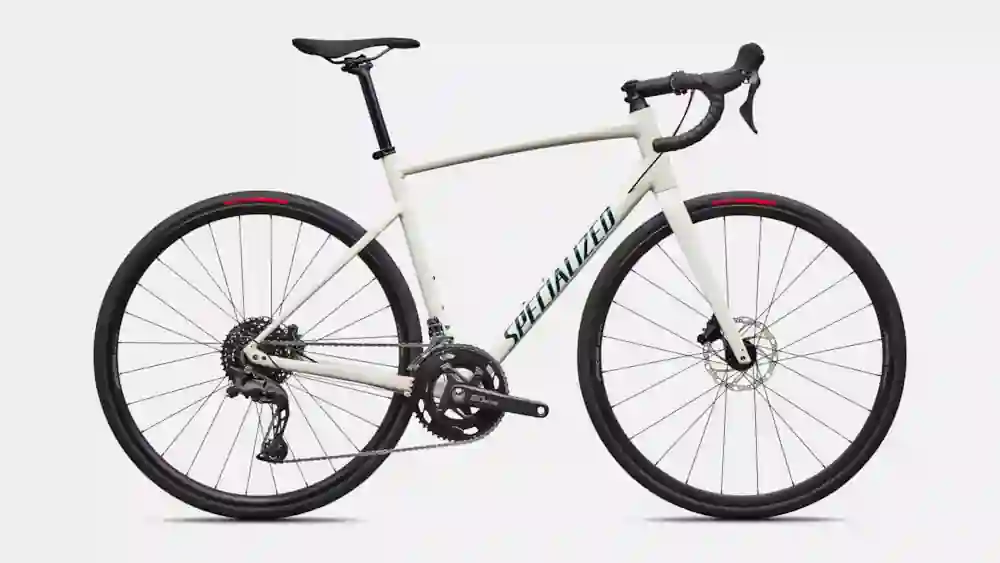
| Allez / Allez Sprint | E5 Aluminum | BSA Threaded (68mm) | 🟢 Works Perfectly | Use 68mm motor variant. Chainline sits ~6.5mm outboard of road target — best suited as commuter build. |
| Diverge (Aluminum) | E5 Aluminum | BSA Threaded (68mm) | 🟢 Works Perfectly | Use 68mm motor variant and 9mm offset chainring for 50mm chainline. |
|
Works Well
Compatible, but requires specific Toseven adapter hardware or a non-standard motor variant.
|
||||
| Fatboy (Aluminum) | A1 Aluminum | BSA Threaded (100mm) | 🟡 Works Well | Must use 100mm motor variant for both DM01 and DM02. Standard 73mm motor is physically too short for this shell. DM01 prohibited on carbon Fatboy variants. |
|
DM02 Only — Carbon Caution
DM01 is strictly prohibited. DM02 requires professional installation.
|
||||
| Epic Hardtail (Carbon, 2018–2019) | FACT Carbon | OSBB MTB (PF46) | 🟠 DM02 Only | PF46-to-BSA reducer bushings required. Universal carbon rules apply. |
| Epic Hardtail (Carbon, 2020–present) | FACT Carbon | BSA Threaded (73mm) | 🟠 DM02 Only | No reducer bushings required. Universal carbon rules apply. |
| Stumpjumper (Carbon, early 2018) | FACT Carbon | OSBB MTB (PF46) | 🟠 DM02 Only | PF46-to-BSA reducer bushings required. Visual ID: symmetrical rear shock cradle. |
| Stumpjumper (Carbon, late 2018+) | FACT Carbon | BSA Threaded (73mm) | 🟠 DM02 Only | No reducer bushings required. Visual ID: asymmetrical Sidearm design. |
| Stumpjumper EVO (Carbon, 2020+) | FACT Carbon | BSA Threaded (73mm) | 🟠 DM02 Only | No reducer bushings required. 160mm travel — measure chain growth empirically. |
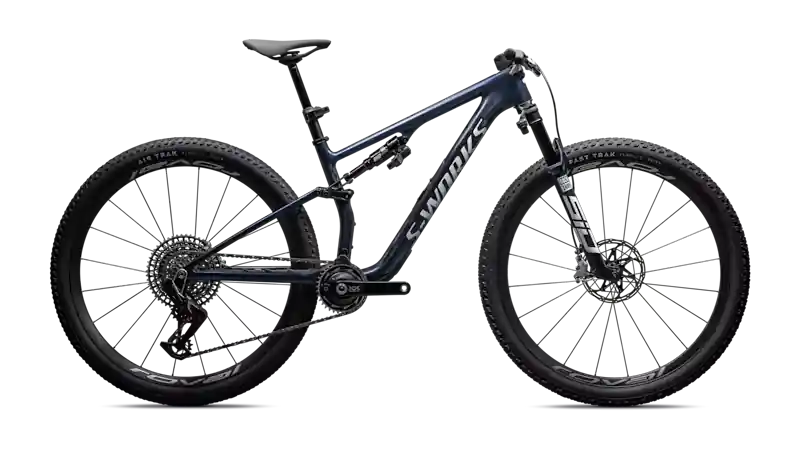
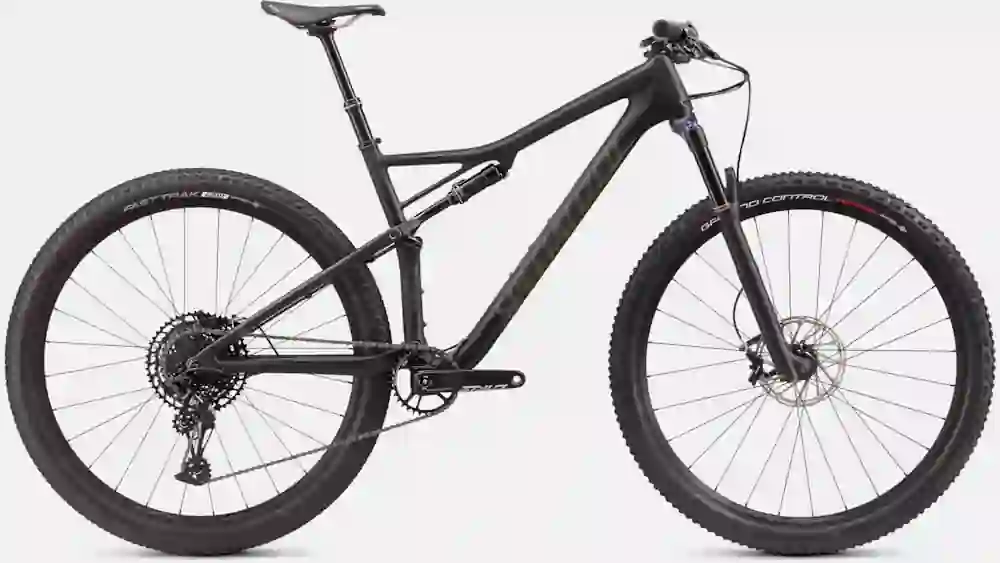
| Epic FS / Epic EVO (Carbon, 2018+) | FACT Carbon | BSA Threaded (73mm) | 🟠 DM02 Only | No reducer bushings required. Universal carbon rules apply. FSR chain growth check mandatory. |
| Enduro (Carbon, 2018–present) | FACT Carbon | BSA Threaded (73mm) | 🟠 DM02 Only | No reducer bushings required. Universal carbon rules apply. FSR chain growth check mandatory. |
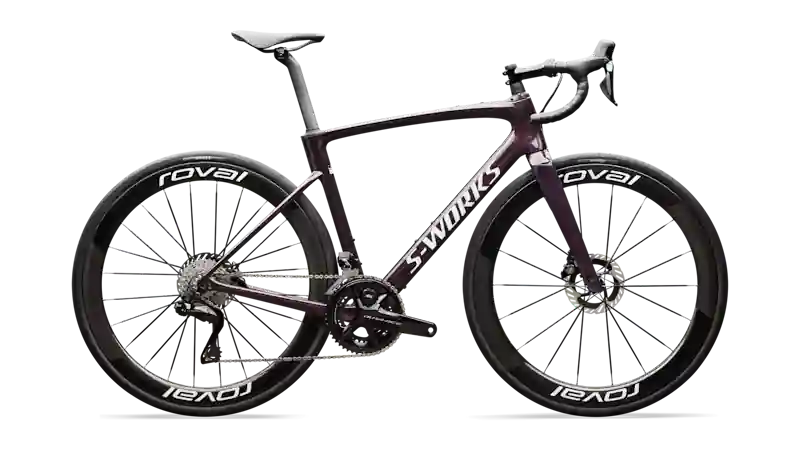
| Roubaix (Carbon, 2018–present) | FACT Carbon | BSA Threaded (68mm) | 🟠 DM02 Only | No reducer bushings required. Universal carbon rules apply. |
| Diverge (Carbon, 2018–2020) | FACT Carbon | BB386 EVO (PF46) | 🟠 DM02 Only | Use 68mm motor. PF46-to-BSA reducer bushings required. Extensive spacer management mandatory. |
| Diverge (Carbon, 2021–present) | FACT Carbon | BSA Threaded (68mm) | 🟠 DM02 Only | No reducer bushings required. Universal carbon rules apply. |
| Crux (Carbon, 2018–2021) | FACT Carbon | OSBB Road (PF42) | 🟠 DM02 Only | PF42-to-BSA reducer bushings required. Distinct standard from both OSBB MTB and BB386 EVO. |
| Crux (Carbon, 2022–present) | FACT Carbon | BSA Threaded (68mm) | 🟠 DM02 Only | No reducer bushings required. Universal carbon rules apply. |
| Aethos (2021–present) | FACT 12r Carbon | BSA Threaded (68mm) | 🟠 DM02 Only | No reducer bushings required. 35Nm absolute limit — never higher. See Aethos entry for full caution. |
|
Not Compatible
Cannot be safely converted with standard hardware.
|
||||
| Turbo Levo / Turbo Kenevo | Alu / FACT Carbon | Proprietary Brose Cavity | 🔴 Not Compatible | Factory e-bikes with integrated Brose motor cavity. No standard BB shell present. |
| Turbo Creo | FACT Carbon | Proprietary Brose Cavity | 🔴 Not Compatible | Factory e-bike. Motor cavity geometry is not a standard BB interface of any known type. |
⚠️ Universal Rules — All Carbon Frames
These three rules apply to every 🟠 DM02 Only entry in the table above without exception. They are not repeated in each platform entry below — read them once and apply them universally.
- Rule 1 — DM01 Strictly Prohibited The Toseven DM01 is strictly prohibited on every FACT Carbon Specialized frame regardless of BB standard, model year, trim level, or torque setting. There are no exceptions. DM02 only.
- Rule 2 — Primary Lockring Torque Strictly Limited When installing the DM02 on any FACT Carbon frame, the primary bottom bracket lockring torque must be strictly limited to 35 to 40Nm. Do not exceed this under any circumstances. On the Aethos specifically, the limit is 35Nm exactly — never higher.
- Rule 3 — Protective Interface Pads Mandatory Protective interface pads must be installed between the motor housing and the carbon frame surface on every FACT Carbon conversion without exception. These pads distribute the motor clamping load across the carbon shell face. Installing the DM02 directly against bare carbon without interface pads risks progressive shell crushing and frame destruction.
14+ Specialized MTB Platforms:
Specialized’s hardtail platforms are the most mechanically straightforward candidates for mid-drive electrification due to their rigid rear triangles and lack of suspension linkage interference.Rockhopper (All Generations, 2018–Present)
- Frame Material: A1 Premium Aluminum
- Bottom Bracket: BSA Threaded (73mm)
- Rear Spacing: Non-Boost 135mm QR (pre-2020) or Boost 148mm Thru-Axle (2020–present)
- Motor Required: 73mm Variant
- Chainring Offset: 9mm (Achieves a 52.5mm chainline)
Chisel (All Generations, 2018–Present)
- Frame Material: M5 Aluminum
- Bottom Bracket: BSA Threaded (73mm)
- Rear Spacing: Boost 148mm Thru-Axle
- Motor Required: 73mm Variant
- Chainring Offset: 9mm (Achieves a 52.5mm chainline)
Fuse (All Generations, 2018–Present)
- Frame Material: M5 Aluminum
- Bottom Bracket: BSA Threaded (73mm)
- Rear Spacing: Boost 148mm Thru-Axle (standard) — verify Super Boost 157mm on specific trim levels
- Motor Required: 73mm Variant
- Chainring Offset: 9mm (Achieves a 52.5mm chainline on Boost 148 models)
Epic Hardtail (Aluminum, All Trim Levels, 2018–Present)
- Frame Material: A1 / M5 Aluminum (varies by trim)
- Bottom Bracket: BSA Threaded (73mm)
- Rear Spacing: Boost 148mm Thru-Axle
- Motor Required: 73mm Variant
- Chainring Offset: 9mm (Achieves a 52.5mm chainline)
Epic Hardtail (Carbon, 2018–2019)
- Frame Material: FACT 9m Carbon
- Bottom Bracket: OSBB MTB Press-Fit (73mm width, 46mm inner diameter)
- Rear Spacing: Boost 148mm Thru-Axle
- Motor Required: 73mm Variant
- Hardware Required: CNC-machined PF46-to-BSA reducer bushings
Epic Hardtail (Carbon, 2020–Present)
- Frame Material: FACT 11m Carbon
- Bottom Bracket: BSA Threaded (73mm)
- Rear Spacing: Boost 148mm Thru-Axle
- Motor Required: 73mm Variant
- Hardware Required: None
23+ Specialized Full Suspension MTB Platforms:
Specialized’s full-suspension models introduce significant engineering complexity. All platforms in this section utilize Specialized’s FSR (Horst Link) four-bar linkage rear suspension kinematics. In the FSR system, a dedicated chainstay pivot positioned just forward of the rear dropout decouples braking forces from suspension movement. As the rear suspension compresses, the physical distance between the bottom bracket and the rear axle changes, producing chain growth. Before finalizing chain length on any full-suspension Specialized frame, you must remove the rear shock, cycle the suspension through its full travel, and verify that the chain tension can accommodate maximum chain growth without tearing the derailleur from the frame. Additionally, you must verify that the motor housing does not contact the lower suspension linkage at full compression.Stumpjumper Generation Reference
| Generation | Years | Material | BB Standard | Motor Variant | DM01 |
|---|---|---|---|---|---|
| Symmetrical / X-Wing (early) | Pre-April 2018 | FACT Carbon only | OSBB MTB PF46 (46mm ID) | 73mm | ❌ |
| Sidearm (Asymmetrical) | April 2018–2020 | Aluminum or FACT Carbon | BSA Threaded (73mm) | 73mm | Aluminum ✅ / Carbon ❌ |
| Current Generation | 2021–2024 | Aluminum or FACT Carbon | BSA Threaded (73mm) | 73mm | Aluminum ✅ / Carbon ❌ |
| Stumpjumper 15 | 2025–present | Aluminum or FACT Carbon | BSA Threaded (73mm) | 73mm | Aluminum ✅ / Carbon ❌ |
| EVO (Aluminum) | 2020–present | M5 Aluminum | BSA Threaded (73mm) | 73mm | ✅ |
| EVO (Carbon) | 2020–present | FACT Carbon | BSA Threaded (73mm) | 73mm | ❌ |
Stumpjumper (Aluminum, 2018–Present)
- Frame Material: M5 Aluminum
- Bottom Bracket: BSA Threaded (73mm)
- Rear Spacing: Boost 148mm Thru-Axle
- Motor Required: 73mm Variant
- Chainring Offset: 9mm (Achieves a 52.5mm chainline)
Stumpjumper (Carbon, 2018–Present)
The 2018 model year is a transition year. Two entirely different carbon Stumpjumper frames were sold under the 2018 model designation. You must identify which frame you have before ordering any hardware.
Stumpjumper Carbon — Early 2018 (Symmetrical / “X-Wing” Frame, sold before April 2018)
- Frame Material: FACT Carbon
- Bottom Bracket: OSBB MTB Press-Fit (73mm width, 46mm inner diameter)
- Motor Required: 73mm Variant
- Hardware Required: CNC-machined PF46-to-BSA reducer bushings
Stumpjumper Carbon — Late 2018 (Sidearm / Asymmetrical Frame) Through Present
- Frame Material: FACT 11m Carbon
- Bottom Bracket: BSA Threaded (73mm)
- Rear Spacing: Boost 148mm Thru-Axle
- Motor Required: 73mm Variant
- Hardware Required: None
Stumpjumper EVO (Aluminum, 2020–Present)
- Frame Material: M5 Aluminum
- Bottom Bracket: BSA Threaded (73mm)
- Rear Spacing: Boost 148mm Thru-Axle
- Motor Required: 73mm Variant
- Chainring Offset: 9mm (Achieves a 52.5mm chainline)
Stumpjumper EVO (Carbon, 2020–Present)
- Frame Material: FACT 11m Carbon
- Bottom Bracket: BSA Threaded (73mm)
- Rear Spacing: Boost 148mm Thru-Axle
- Motor Required: 73mm Variant
- Hardware Required: None
Epic (Full Suspension, Carbon, All Trim Levels, 2018–Present)
- Frame Material: FACT 12m Carbon
- Bottom Bracket: BSA Threaded (73mm)
- Rear Spacing: Boost 148mm Thru-Axle
- Motor Required: 73mm Variant
- Hardware Required: None
Epic EVO (Carbon, 2020–Present)
- Frame Material: FACT 12m Carbon
- Bottom Bracket: BSA Threaded (73mm)
- Rear Spacing: Boost 148mm Thru-Axle
- Motor Required: 73mm Variant
- Hardware Required: None
Enduro (Aluminum, 2018–Present)
- Frame Material: M5 Aluminum
- Bottom Bracket: BSA Threaded (73mm)
- Rear Spacing: Boost 148mm Thru-Axle
- Motor Required: 73mm Variant
- Chainring Offset: 9mm (Achieves a 52.5mm chainline)
Enduro (Carbon, 2018–Present)
- Frame Material: FACT Carbon
- Bottom Bracket: BSA Threaded (73mm)
- Rear Spacing: Boost 148mm Thru-Axle
- Motor Required: 73mm Variant
- Hardware Required: None
3 2+ Specialized Hybrid and Fitness Platforms:
Specialized’s hybrid platforms are outstanding candidates for urban commuting conversions, offering flat-bar control geometries, upright riding positions, and spacious main triangles.Sirrus 1.0, 2.0, 3.0, and 4.0 (2018–Present)
- Frame Material: E5 Premium Aluminum
- Bottom Bracket: BSA Threaded (68mm)
- Rear Spacing: 135mm Quick-Release
- Motor Required: 68mm Variant
- Chainring Offset: 9mm (Achieves a perfect 50mm chainline)
Sirrus X (2018–Present)
- Frame Material: E5 Aluminum
- Bottom Bracket: BSA Threaded (68mm)
- Rear Spacing: 135mm QR on most models
- Motor Required: 68mm Variant
- Chainring Offset: 9mm (Achieves a 50mm chainline)
Roll (2018–Present)
- Frame Material: A1 Aluminum
- Bottom Bracket: BSA Threaded (68mm)
- Rear Spacing: 135mm Quick-Release
- Motor Required: 68mm Variant
4 5+ Specialized Road and Gravel Platforms:
Converting Specialized road and gravel bicycles requires rigorous mechanical vetting. These platforms span a variety of bottom bracket standards and the majority of high-performance variants are FACT Carbon, triggering the universal carbon rules throughout the lineup.Allez and Allez Sprint (2018–Present)
- Frame Material: E5 Premium Aluminum
- Bottom Bracket: BSA Threaded (68mm)
- Rear Spacing: 130mm Quick-Release
- Motor Required: 68mm Variant
- Chainring Offset: 9mm (Achieves a 50mm chainline)
Roubaix (Carbon, 2018–Present)
- Frame Material: FACT Carbon
- Bottom Bracket: BSA Threaded (68mm)
- Rear Spacing: 130mm Quick-Release
- Motor Required: 68mm Variant
- Chainring Offset: 9mm (Achieves a 50mm chainline)
- Hardware Required: None
Diverge (Aluminum, 2018–Present)
- Frame Material: E5 Aluminum
- Bottom Bracket: BSA Threaded (68mm)
- Rear Spacing: 135mm QR or thru-axle depending on model year
- Motor Required: 68mm Variant
- Chainring Offset: 9mm (Achieves a 50mm chainline)
Diverge (Carbon, 2018–Present)
The carbon Diverge underwent a significant bottom bracket standard change with the 2021 model year redesign. The two generations use entirely different BB standards and require different hardware. Identify your model year before ordering anything.
Diverge Carbon 2018–2020 (BB386 EVO)
- Frame Material: FACT Carbon
- Bottom Bracket: BB386 EVO Press-Fit (86.5mm width, 46mm inner diameter)
- Rear Spacing: Thru-Axle
- Motor Required: 68mm Variant
- Hardware Required: CNC-machined PF46-to-BSA reducer bushings
Diverge Carbon 2021–Present (BSA Threaded)
- Frame Material: FACT Carbon
- Bottom Bracket: BSA Threaded (68mm)
- Rear Spacing: Thru-Axle
- Motor Required: 68mm Variant
- Chainring Offset: 9mm (Achieves a 50mm chainline)
- Hardware Required: None
Crux (Carbon, 2018–Present)
The Crux underwent a complete platform transformation for the 2022 model year, transitioning from a dedicated cyclocross racing frame to a lightweight gravel racing frame. The two generations use entirely different BB standards. Identify your model year before ordering.
Crux Carbon 2018–2021 (Cyclocross Generation, OSBB Road / BB30)
- Frame Material: FACT Carbon
- Bottom Bracket: OSBB Road / BB30 Press-Fit (68mm width, 42mm inner diameter)
- Motor Required: 68mm Variant
- Hardware Required: CNC-machined PF42-to-BSA reducer bushings
Crux Carbon 2022–Present (Gravel Generation, BSA Threaded)
- Frame Material: FACT Carbon
- Bottom Bracket: BSA Threaded (68mm)
- Motor Required: 68mm Variant
- Chainring Offset: 9mm (Achieves a 50mm chainline)
- Hardware Required: None
Aethos (2021–Present)
- Frame Material: FACT 12r Carbon
- Bottom Bracket: BSA Threaded (68mm)
- Motor Required: 68mm Variant
- Chainring Offset: 9mm (Achieves a 50mm chainline)
- Hardware Required: None
5 Specialized Fat Bike Platform:
Fatboy (2018–Present)
- Frame Material: A1 Aluminum (Fatboy 5 / Fatboy 7) — FACT Carbon on higher trim levels
- Bottom Bracket: BSA Threaded (100mm)
- Rear Spacing: 190mm (2018–present)
- Motor Required: 100mm Variant — standard 73mm motor is physically incompatible
- Hardware Constraint: DM01 Prohibited on any carbon Fatboy variant
6 Specialized Factory E-Bike Platforms — A Note on Scope
The Turbo Levo, Turbo Kenevo, and Turbo Creo are factory-built e-bikes with Specialized’s proprietary motor system (developed in partnership with Brose) integrated directly into the frame architecture. The bottom bracket area on these frames is not a standard BB shell — it is a dedicated motor housing cavity with proprietary dimensions specific to the Specialized motor system. Converting these platforms to Toseven would require removing the factory Specialized motor, and the remaining cavity geometry is not a standard BB interface of any known type. Until direct measurement of a stripped Turbo frame confirms whether the cavity dimensions align with any known BB standard, these models should be considered out of scope for this guide.02 Bottom Bracket Deep Dive
- Threaded Shell Features internal spiral grooves machined directly into the frame. Installing a threaded bottom bracket is analogous to driving a precisely machined bolt into a tapped nut. The threads provide a massive surface area for load distribution and lock the hardware firmly in place.
- Press-Fit Shell Is entirely smooth inside. Installing a press-fit bottom bracket is analogous to forcing a slightly oversized metal or composite sleeve into a smooth bore using heavy mechanical pressure. The system relies entirely on friction and tight manufacturing tolerances to remain secure.
1BSA Threaded (68 To 73 Millimeters)
The British Standard Cycle (BSA) threaded bottom bracket is the most proven and universally accepted standard in bicycle mechanics. It features a 1.37-inch shell diameter with 24 threads per inch, resulting in an internal diameter of approximately 33.6 to 33.9 millimeters. The shell width will measure either 68 millimeters (road, hybrid, and fitness platforms) or 73 millimeters (mountain bike platforms). Specialized utilizes the BSA standard extensively — across its aluminum hardtail mountain bikes; across its full-suspension platforms including every Stumpjumper generation (Sidearm onward), the carbon Enduro, the carbon Epic FS, the carbon Epic EVO, and the carbon Epic Hardtail (2020–present); across its hybrid and road platforms; and across modern gravel platforms including the Diverge carbon (2021–present), Crux (2022–present), and Aethos. For Toseven conversions, the BSA standard is the absolute ideal scenario. The Toseven motor axle measures approximately 33.5 millimeters in diameter. Because the internal diameter of a BSA shell is just slightly larger, the axle slides through the frame with minimal radial play. No internal adapters or reducer bushings are required.2OSBB MTB Press-Fit (73mm Wide, 46mm Inner Diameter)
The OSBB MTB standard is found within this guide’s confirmed scope on two platforms only: the carbon Epic Hardtail (2018–2019 only) and the early 2018 symmetrical-generation carbon Stumpjumper. The shell is 73 millimeters wide with a smooth, threadless bore and a 46 millimeter internal diameter. You must use CNC-machined PF46-to-BSA reducer bushings. Do not use PF41 or PF42 bushings — neither will correctly fill the 46mm bore. Do not use 3D-printed or low-grade plastic adapters. Strict spacer management using the factory 1mm and 2mm precision spacer kits is required to prevent axle bottoming.3OSBB Road / BB30 Press-Fit (68mm Wide, 42mm Inner Diameter)
Found exclusively on the pre-2022 cyclocross-generation Crux carbon within this guide’s scope. The shell is 68 millimeters wide with a 42 millimeter internal diameter — a unique bore diameter among Specialized platforms in this guide. Requires CNC-machined PF42-to-BSA reducer bushings exclusively. PF46 bushings are too large to enter the bore. PF41 bushings are too small and will produce a loose fit.4BB386 EVO Press-Fit (86.5mm Wide, 46mm Inner Diameter)
Found exclusively on the 2018–2020 carbon Diverge within this guide’s scope. The shell is 86.5 millimeters wide with a 46 millimeter internal diameter — shares its bore diameter with OSBB MTB but is substantially wider. Requires CNC-machined PF46-to-BSA reducer bushings. The 86.5mm shell width is significantly wider than the 68mm motor variant is designed for. Extensive spacer management using the factory 1mm and 2mm precision spacer kits is mandatory to prevent axle bottoming.5T47 Threaded — Contextual Reference
T47 is a threaded bottom bracket system featuring an M47x1.0 thread pitch with an internal diameter of approximately 46 millimeters. T47 does not appear on any Specialized production frame within this guide’s 2018 to present confirmed scope. It is documented here for completeness and to prevent misidentification. If you measure your shell bore at approximately 46 millimeters and find threads rather than a smooth bore, you have a T47 shell — contact Toseven directly before proceeding.6Fatboy 100mm Threaded Shell
Threaded at the standard BSA pitch. No reducer bushings required. However, the 100mm shell width substantially exceeds the standard Toseven axle design range. The 100mm motor variant is mandatory. Refer to Section 1.5 for full detail.7Bushing Specification Summary
Always confirm your BB standard with a caliper before purchasing bushings. This table is a cross-check, not a substitute for physical measurement.| BB Standard | Shell Width | Internal Diameter | Found On | Bushing Required |
|---|---|---|---|---|
| BSA Threaded | 68mm or 73mm | ~34mm | Most Specialized platforms | None |
| OSBB MTB (PF46) | 73mm | 46mm | Carbon Epic HT 2018–2019, Carbon Stumpjumper early 2018 only | PF46-to-BSA |
| OSBB Road / BB30 (PF42) | 68mm | 42mm | Crux Carbon 2018–2021 | PF42-to-BSA |
| BB386 EVO (PF46) | 86.5mm | 46mm | Diverge Carbon 2018–2020 | PF46-to-BSA |
| Fatboy 100mm Threaded | 100mm | ~34mm | Fatboy | None (requires 100mm motor variant) |
03 Chainline & Chainring Offset Engineering
1 What Is a Chainline?
The chainline is the distance measured in millimeters from the exact longitudinal centerline of the bicycle frame to the centerline of the front chainring teeth. For a drivetrain to function properly, the front chainring must align with the center of the rear cassette. Mid-drive motors push the chainring mounting point significantly outward — the raw, uncorrected chainline of a Toseven motor sits at approximately 59 millimeters on the 68mm variant and 61.5 millimeters on the 73mm variant. Left uncorrected, this causes harsh grinding, poor shifting, and immediate chain drops.⚠️ Critical Motor Sizing Note
The raw chainline figures stated throughout this section assume the motor has been ordered in the size that precisely matches your frame’s BB shell width. If you install a 68mm motor in a 73mm shell, or a 73mm motor in a 68mm shell, the raw chainline figures will be incorrect and no off-the-shelf chainring offset will fully correct the resulting misalignment. Always order the motor to match your shell width, confirmed by caliper measurement.
2 Boost Versus Non-Boost Spacing
- Non-Boost Spacing Features a rear axle width of either 135mm (QR) or 142mm (Thru-axle). Found on older Specialized hardtails, most Sirrus and Roll hybrid models, and Allez road platforms. Target front chainline is 49 to 50mm for 68mm shells and approximately 52mm for 73mm shells.
- Boost Spacing Widens the rear axle to 148mm. Found on all modern Specialized mountain bikes. The target front chainline must move outward to approximately 52 to 55mm to maintain a straight chain path.
3 The Offset Chainring Solution
Toseven offset chainring options:- 3mm Offset Least inboard correction
- 6mm Offset Moderate inboard correction
- 9mm Offset Maximum inboard correction; correct for the vast majority of Specialized conversions in this guide
4 Chainline by Platform
| Platform | BB Shell | Motor Variant | Offset Required | Corrected Chainline | Rear Spacing |
|---|---|---|---|---|---|
| Rockhopper (Boost 148, 2020+) | 73mm BSA | 73mm | 9mm | 52.5mm | Boost 148 ✅ |
| Rockhopper (non-Boost, pre-2020) | 73mm BSA | 73mm | 9mm | 52.5mm | Non-Boost ⚠️ marginally long |
| Chisel | 73mm BSA | 73mm | 9mm | 52.5mm | Boost 148 ✅ |
| Fuse (Boost 148) | 73mm BSA | 73mm | 9mm | 52.5mm | Boost 148 ✅ |
| Fuse (Super Boost 157) | 73mm BSA | 73mm | 9mm | 52.5mm | Super Boost ⚠️ ~2.5mm short |
| Epic Hardtail (Aluminum) | 73mm BSA | 73mm | 9mm | 52.5mm | Boost 148 ✅ |
| Epic Hardtail (Carbon, 2018–2019) | 73mm OSBB MTB | 73mm | 9mm | 52.5mm | Boost 148 ✅ |
| Epic Hardtail (Carbon, 2020–present) | 73mm BSA | 73mm | 9mm | 52.5mm | Boost 148 ✅ |
| Stumpjumper (Aluminum & Carbon, Sidearm onward) | 73mm BSA | 73mm | 9mm | 52.5mm | Boost 148 ✅ |
| Stumpjumper EVO (Aluminum & Carbon) | 73mm BSA | 73mm | 9mm | 52.5mm | Boost 148 ✅ |
| Epic FS / Epic EVO (Carbon) | 73mm BSA | 73mm | 9mm | 52.5mm | Boost 148 ✅ |
| Enduro (Aluminum & Carbon) | 73mm BSA | 73mm | 9mm | 52.5mm | Boost 148 ✅ |
| Sirrus 1.0–4.0 | 68mm BSA | 68mm | 9mm | 50mm | Non-Boost 135 ✅ |
| Sirrus X | 68mm BSA | 68mm | 9mm | 50mm | Non-Boost 135 ✅ |
| Roll | 68mm BSA | 68mm | 9mm | 50mm | Non-Boost 135 ✅ |
| Allez / Allez Sprint | 68mm BSA | 68mm | 9mm | 50mm | Non-Boost 130 ⚠️ ~6.5mm outboard of road target |
| Diverge (Aluminum) | 68mm BSA | 68mm | 9mm | 50mm | Verify QR or TA |
| Roubaix (Carbon, 2018–present) | 68mm BSA | 68mm | 9mm | 50mm | Non-Boost 130 ⚠️ ~6.5mm outboard of road target |
| Diverge (Carbon, 2018–2020) | 86.5mm BB386 EVO | 68mm | 9mm | 50mm | Thru-Axle ✅ |
| Diverge (Carbon, 2021–present) | 68mm BSA | 68mm | 9mm | 50mm | Thru-Axle ✅ |
| Crux (Carbon, 2018–2021) | 68mm OSBB Road / BB30 | 68mm | 9mm | 50mm | Thru-Axle ✅ |
| Crux (Carbon, 2022–present) | 68mm BSA | 68mm | 9mm | 50mm | Thru-Axle ✅ |
| Aethos (2021–present) | 68mm BSA | 68mm | 9mm | 50mm | Non-Boost 130 ⚠️ ~6.5mm outboard of road target |
5 Road Platform Chainline Note
The Allez, Roubaix, and Aethos are all road platforms designed around a chainline target of approximately 43.5mm (11-speed) or 44.5mm (12-speed). The Toseven 68mm motor with a 9mm offset ring produces a 50mm chainline — approximately 6 to 6.5mm outboard of this target. This produces diagonal chain angles in the smaller cogs, increased cassette wear, and degraded shifting at the extremes of the gear range. These platforms are best treated as commuter or distance e-bikes rather than performance road machines.04 FSR Suspension Chain Growth Protocol
Step-by-Step Chain Growth Verification
1
Remove Shock
Remove the rear shock completely from both mounting points and allow the rear triangle to hang freely under gravity.2
Compress Suspension
With the motor installed and the chain routed, slowly compress the rear suspension by hand through its complete travel until the rear axle is at its highest point.3
Observe Tension
Observe chain tension throughout the full travel range. The chain must never go slack enough to risk derailleur contact with the swingarm, and must never pull so tight that it risks pulling the derailleur cage forward under full extension.4
Observe Clearance
Observe motor housing clearance throughout the full travel range. The motor casing must not contact the lower swingarm, linkage pivot hardware, or frame tubes at any point in the travel. This is especially critical on the Enduro.5
Adjust if Necessary
If chain tension or motor clearance is insufficient at any point, do not cut the chain or finalize the installation. Adjust chain length, motor position, or derailleur type before proceeding.Chain Growth by Platform
| Platform | Rear Travel | FSR Chain Growth Severity | Notes |
|---|---|---|---|
| Epic FS / Epic EVO (Carbon) | 100–120mm | Low | Shortest-travel FSR platform — chain growth is minimal but not zero |
| Stumpjumper (Aluminum & Carbon) | 130–140mm | Moderate | Standard FSR reference platform — use empirical measurement |
| Stumpjumper EVO (Aluminum & Carbon) | 160mm | High | Do not carry figures from standard Stumpjumper — measure independently |
| Enduro (Aluminum & Carbon) | 160–170mm | Very High | Longest-travel FSR in guide — motor clearance check especially critical |
05 Frequently Asked Questions
1Can I use the DM01 on a carbon Specialized frame if I keep the torque low?
No. See Universal Rules in Section 01. The prohibition is structural, not torque-based.2My carbon Stumpjumper is from 2018. Do I need reducer bushings?
It depends on which 2018 frame you have. If it has a symmetrical rear shock cradle (X-Wing design), it is press-fit 46mm — PF46-to-BSA bushings are mandatory. If it has the asymmetrical Sidearm design (single right-side shock arm, open left side), it is BSA threaded — no bushings required. If you cannot determine this visually, remove the BB and inspect the bore. Smooth = press-fit = bushings required. Threaded = no bushings.3My carbon Stumpjumper is from 2019 or later. Does it need reducer bushings?
No. Every carbon Stumpjumper from 2019 onward uses BSA threaded 73mm. No bushings required on any trim level through the current 2025 Stumpjumper 15.4My carbon Epic Hardtail is from 2018 or 2019. What bushings do I need?
PF46-to-BSA CNC-machined reducer bushings. Do not use PF41 or PF42 bushings.5My carbon Epic Hardtail is from 2020 or later. What bushings do I need?
None. BSA threaded 73mm from 2020 onward.6My carbon Epic full-suspension is from 2018. Does it need reducer bushings?
No. The carbon Epic full-suspension uses BSA threaded 73mm throughout the entire 2018 to present window. Note: this is different from the carbon Epic Hardtail, which used OSBB MTB press-fit through 2019.7Does the Roubaix need reducer bushings?
No. All carbon Roubaix models from 2018 onward use BSA threaded 68mm throughout all generations. Pre-2017 models fall outside this guide’s scope.8My Diverge Carbon is a 2019. What bushings do I need?
PF46-to-BSA CNC-machined reducer bushings. The 2018–2020 carbon Diverge uses BB386 EVO — 86.5mm wide, 46mm bore. Extensive spacer management is also mandatory.9My Diverge Carbon is a 2022. What bushings do I need?
None. The 2021–present carbon Diverge uses BSA threaded 68mm. Order the 68mm motor and a 9mm offset chainring.10What bushings does the Crux need?
Pre-2022 cyclocross Crux: PF42-to-BSA bushings (68mm wide, 42mm bore). 2022–present gravel Crux: no bushings, BSA threaded 68mm.11Does the Aethos need reducer bushings?
No. BSA threaded 68mm throughout. The critical concern is structural — 35Nm lockring limit exactly. See the Aethos entry in Section 1.4 for full caution.12How do I identify my BB standard if I don’t know my model year?
| Shell Width | Internal Bore | Bore Type | Standard | Found On |
|---|---|---|---|---|
| 73mm | ~34mm | Threaded | BSA MTB | Stumpjumper (Sidearm+), Epic FS/EVO, Epic HT (2020+), Enduro, etc. |
| 68mm | ~34mm | Threaded | BSA Road | Roubaix, Diverge (2021+), Crux (2022+), Aethos, etc. |
| 73mm | 46mm | Smooth | OSBB MTB | Carbon Epic HT (2018–2019), Carbon Stumpjumper early 2018 only |
| 68mm | 42mm | Smooth | OSBB Road / BB30 | Crux Carbon 2018–2021 |
| 86.5mm | 46mm | Smooth | BB386 EVO | Diverge Carbon 2018–2020 |
| 100mm | ~34mm | Threaded | BSA Fatboy | Fatboy |